
Branded Paper Cups for Australian Businesses: The Complete Sourcing Guide
Discover how to source custom branded paper cups in Australia — from MOQs and print methods to supplier tips for resellers and marketing agencies.

Written by
Archer Woods
Drinkware
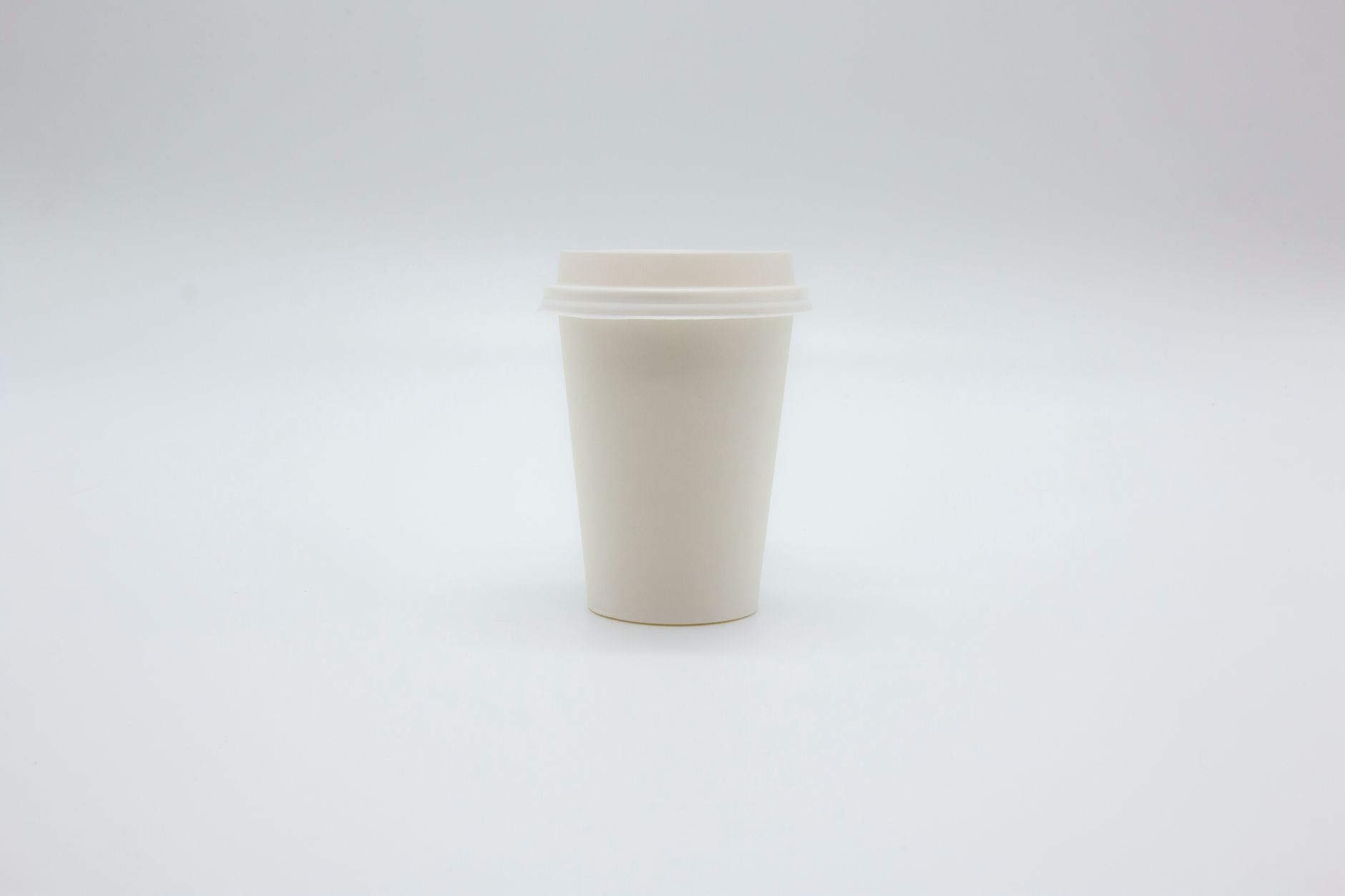
Promotional products come in all shapes and sizes, but few are as universally practical — or as consistently overlooked — as branded paper cups. Whether you’re outfitting a corporate café, stocking a conference registration desk in Sydney, or helping a retail client add a polished touch to their in-store experience, paper cups offer something genuinely valuable: a branded impression delivered at the exact moment someone is enjoying a hot or cold drink. For resellers, marketing agencies, and businesses sourcing merch in volume, understanding the paper cups category properly can open up a reliable revenue stream and help clients look far more professional than they might expect from such a modest product.
Why Paper Cups Deserve a Spot in Your Promotional Product Range
It’s easy to underestimate paper cups. They’re disposable, they’re simple, and they don’t carry the prestige of a premium keep cup or an engraved award. But that’s precisely what makes them so commercially interesting — they’re accessible, affordable, and consumed in enormous quantities across virtually every industry sector in Australia.
Think about the sheer volume of paper cups used daily across Melbourne café chains, Brisbane corporate offices, Adelaide hospital waiting rooms, and Perth trade show floors. Each one of those cups is a blank canvas that an organisation could be using to communicate a brand message. When a business hands a customer a coffee or cold drink in a cup carrying their logo, that’s a micro-moment of brand reinforcement happening in real time.
For resellers especially, paper cups represent a strong add-on product. Clients who order custom apparel for their team events or branded wooden plaques for employee recognition programs are often the same clients who’d appreciate knowing they can extend their branding to hospitality touchpoints — and paper cups are an easy upsell once you’ve built that relationship.
Understanding the Paper Cup Product Category
Before approaching suppliers, it’s worth having a solid grasp of the different product types within the paper cups category. Not all paper cups are the same, and matching the right cup type to a client’s use case is fundamental to getting the order right.
Hot Drink Cups vs Cold Drink Cups
Hot drink cups — typically used for coffee, tea, and hot chocolate — are manufactured with a polyethylene (PE) lining on the inside to prevent liquid from soaking through the paper. They’re usually sold in standard café sizes: 4oz, 6oz, 8oz, 12oz, and 16oz. The 8oz and 12oz sizes are by far the most popular in the Australian market for corporate café and event applications.
Cold drink cups serve a different purpose entirely. They’re designed for cold beverages, juice, soft drink, and water, and they often feature a different internal coating. These are a popular choice for sporting events, school carnivals, and outdoor activations — scenarios where branded hydration makes sense at scale.
Single-Wall, Double-Wall, and Ripple Cups
Single-wall cups are the most affordable option and are typically used for short-hold beverages or cold drinks. Double-wall cups add an extra layer of insulation, making them more comfortable to hold when serving hot drinks — and they carry a noticeably more premium feel. Ripple cups achieve a similar result through a corrugated outer sleeve rather than a full second wall, offering a distinctive textured look that tends to photograph well for brand imagery.
For clients in the hospitality space or corporate environments with a strong visual identity, double-wall and ripple cups are often worth the modest price premium. For high-volume, budget-sensitive orders — think a Darwin community health campaign or a Gold Coast fun run — single-wall cups in volume usually make the most sense.
Decoration Methods for Custom Paper Cups
Getting the decoration right is critical when sourcing paper cups. Unlike some promotional products where embroidery or engraving are options, paper cups are almost universally decorated using print-based methods.
Flexographic Printing
Flexographic printing — commonly called flexo printing — is the standard production method for paper cups manufactured at scale. It uses flexible relief plates to apply ink around the circumference of the cup, producing vibrant, consistent results across large production runs. This method is well-suited to solid colours and simple brand marks.
If you’re working with clients who have clearly defined PMS (Pantone Matching System) colours in their brand guidelines, flexo printing typically delivers strong colour accuracy. It’s worth confirming with your supplier whether they offer PMS colour matching or work from CMYK conversions, as this can affect the final result — particularly for healthcare organisations, government departments, and councils where brand compliance is non-negotiable.
Digital Printing
Digital printing on paper cups has become increasingly accessible, and it offers a key advantage: lower minimum order quantities (MOQs). While flexo printing often requires runs of 1,000 cups or more to be economically viable, digital printing can sometimes accommodate smaller quantities — useful for boutique clients or test orders.
Digital printing also supports full-colour photographic artwork, which opens up creative possibilities for clients in the events and marketing space. The trade-off is typically per-unit cost: digital is usually more expensive per cup than flexo at volume.
MOQs, Turnaround Times, and Budgeting Considerations
One of the most common questions resellers ask when adding paper cups to their offering is: “What are the MOQs?” The honest answer is that it varies significantly by supplier and by decoration method.
As a general guide:
- Flexographic printing: MOQs typically range from 1,000 to 5,000 cups minimum, sometimes higher for fully custom print
- Digital printing: MOQs can range from 250 to 500 cups, though pricing per unit reflects the smaller run
- Pre-made cups with label application: Some suppliers offer a middle-ground option where a custom label is applied to a standard cup — MOQs can be as low as 100–250 units
For resellers quoting clients, it’s important to factor in setup fees. Flexo printing often involves plate setup costs that can range from a few hundred to over a thousand dollars depending on the number of colours and the supplier. These costs are typically a one-off per design, meaning repeat orders become more cost-effective over time.
Turnaround times for paper cups tend to be longer than for products like custom t-shirts or custom fridge magnets. Standard production for a flexo-printed cup order might run three to five weeks from artwork approval, and for imported stock, potentially longer. If a client in Hobart needs branded cups for an event six weeks away, getting artwork finalised and approved quickly becomes genuinely critical.
Always allow time in your project timeline for proof approval. For paper cups, a digital proof showing how the artwork wraps around the cup is standard — some suppliers will also offer a physical pre-production sample for larger orders, though this adds time and cost.
Artwork Requirements for Paper Cup Orders
Paper cup artwork has some unique requirements that differ from flat-surface products. Because the artwork wraps around a tapered, cylindrical surface, designers need to account for how the image will appear once the cup is formed.
Most suppliers will provide a dieline or template specific to the cup size being ordered. Artwork should be submitted against this template, with all live content kept within safe zones. Key considerations include:
- Wrap-around design: The seam of the cup is a consideration — most suppliers recommend keeping key brand elements away from the seam area
- File formats: Suppliers typically accept vector files (AI, EPS, PDF) for flexo printing; high-resolution files (300dpi minimum) for digital
- Colour mode: CMYK for digital printing; spot colours for flexo
If your client’s designer is unfamiliar with paper cup artwork setup, it’s worth flagging this early. Sending incorrect artwork is one of the most common causes of delays and reproof rounds in the industry.
Which Industries in Australia Use Paper Cups Most?
Understanding your likely buyers will help you pitch this product category more effectively. In Australia, the industries with the strongest appetite for custom paper cups include:
- Hospitality and cafés: Independent cafés, restaurant chains, and food courts looking to extend their brand identity into disposable drinkware
- Corporate offices: Businesses in Sydney’s CBD, Melbourne’s Docklands, and Brisbane’s inner suburbs that run their own café or kitchen service
- Events and conferences: Conferences, trade shows, and expos where branded beverage service adds to the overall experience
- Healthcare: Hospitals and medical centres across all states use paper cups in volume for patient hydration — branded cups add a surprisingly professional touch
- Education: Universities, TAFEs, and schools often use branded cups for open days, graduations, and canteen services
If you already work with clients across these sectors through other product categories, paper cups are a natural conversation to open up. A client who recently ordered promotional products for a trade show or expo may have catering requirements that haven’t been considered yet.
Eco-Friendly Paper Cup Options
Sustainability is an increasingly important consideration for Australian buyers in 2026, and the paper cups category has genuinely evolved to meet this demand. Suppliers now offer cups made from FSC-certified paper, with plant-based PLA linings as an alternative to traditional PE, and fully compostable options that are suitable for commercial composting facilities.
For marketing agencies working with environmentally conscious brands — and for government departments or charities with sustainability mandates — these options can be a significant differentiator. It’s worth noting that compostable cups require specific disposal infrastructure, so clients should be informed about end-of-life requirements rather than simply sold on the “eco” label.
Pairing compostable paper cups with other sustainable merchandise — like recycled tote bags or bamboo stationery — can help position your offering more holistically for clients who are serious about their environmental commitments.
Key Takeaways for Sourcing Custom Paper Cups in Australia
To summarise the most important points from this guide:
- Match the cup type to the use case — hot versus cold, single-wall versus double-wall — before approaching suppliers, to ensure you’re quoting the right product
- Understand MOQ thresholds by decoration method — flexo printing suits high-volume orders, while digital printing offers flexibility for smaller runs and full-colour artwork
- Build adequate lead time into every paper cup project — three to five weeks from artwork approval is standard for custom flexo production
- Prepare clients for artwork requirements — paper cup dielines and wrap-around design are different from most other promotional products; flag this early with designers
- Consider eco-friendly options proactively — FSC-certified and PLA-lined cups are increasingly in demand across corporate, healthcare, and government sectors in Australia
- Use paper cups as an upsell opportunity — clients ordering branded merchandise across other categories are natural prospects for custom drinkware conversations
Paper cups might not be the most glamorous item in the promotional products catalogue, but they’re one of the most consistently useful — for clients who want to own every brand touchpoint, and for resellers who want to build recurring, volume-driven revenue. Get your sourcing knowledge right, and this is a category that will quietly deliver strong results for your business.