
How to Choose Branded Water Bottles in Australia: The Complete Buyer's Guide
Learn how to choose branded water bottles in Australia with expert tips on materials, decoration methods, MOQs, and finding the right supplier.

Written by
Archer Woods
Drinkware
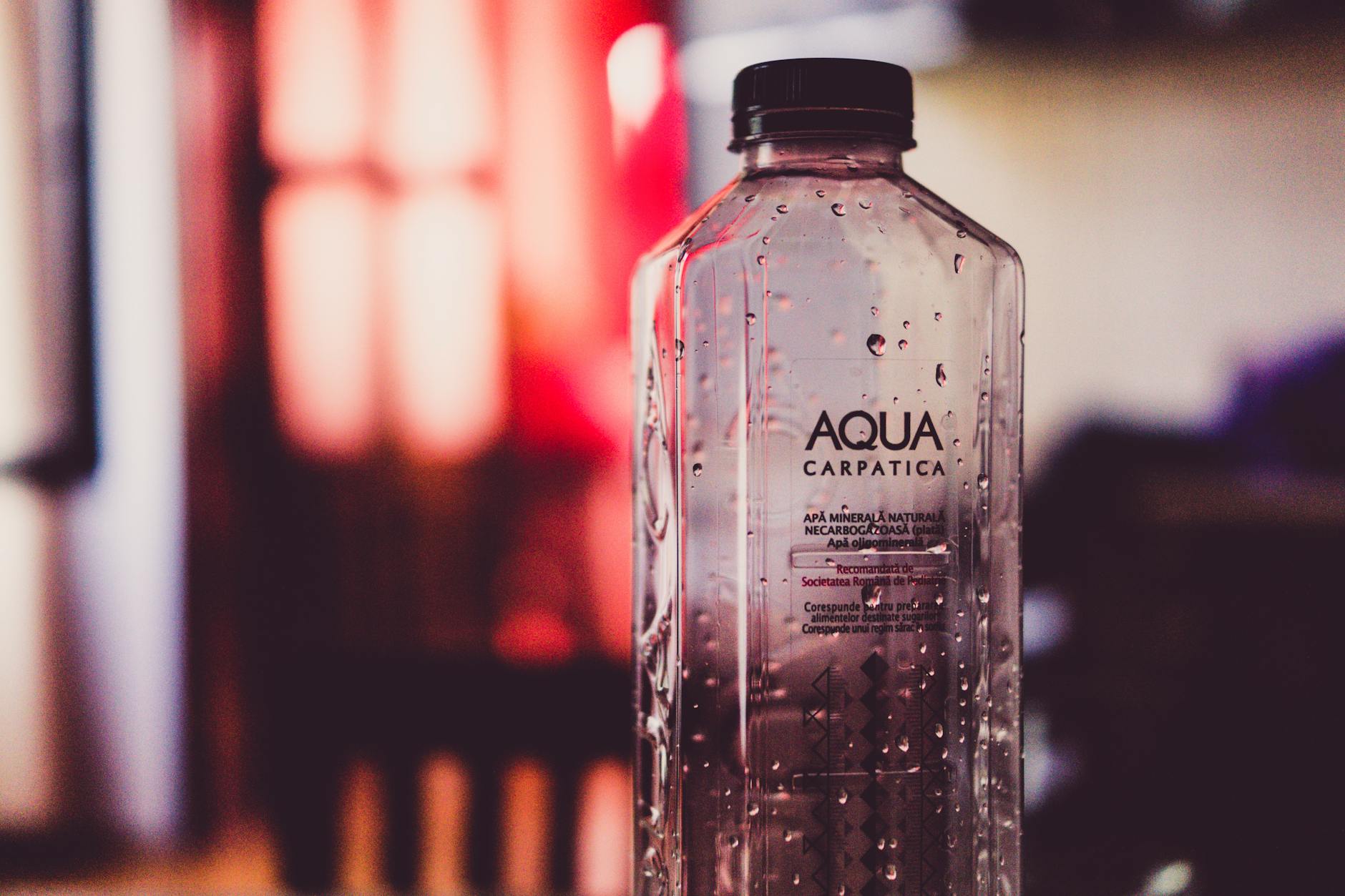
Choosing the right branded water bottle for your next promotional campaign sounds straightforward — until you’re staring down a supplier catalogue with dozens of options, multiple materials, varying price points, and decoration methods you may never have encountered before. Whether you’re a marketing agency sourcing products for a client pitch, a reseller building out your drinkware range, or a business preparing for a major event, knowing how to choose branded water bottles in Australia that genuinely deliver value is a skill worth developing. Get it right and you have a promotional product people actually use daily. Get it wrong and you’ve spent your budget on items that end up forgotten in a drawer.
This guide walks you through every key consideration — from material selection and decoration methods through to MOQs, turnaround times, and what to look for when vetting suppliers across Australia.
Why Branded Water Bottles Remain One of Australia’s Top Promotional Products
There’s a reason drinkware consistently ranks among the best-performing categories in the promotional products industry. Australians are health-conscious, outdoorsy, and increasingly concerned about single-use plastic. A high-quality branded water bottle ticks every box: it’s practical, visible, and gets used repeatedly — often in public settings where your logo gets seen by far more than just the recipient.
If you want to understand just how strong this trend is, it’s worth reviewing the latest shifts in the promotional products market to see why drinkware continues to outperform many other categories when it comes to brand recall and perceived value.
Branded bottles also align naturally with corporate wellness initiatives, sports sponsorships, trade show giveaways, and staff appreciation gifts. A Perth mining company equipping its workforce with insulated branded bottles, a Sydney marketing agency sourcing sleek stainless-steel bottles for a client’s product launch, or a Melbourne university welcoming new students with reusable drink bottles — the use cases are virtually endless.
For those keen on the return on investment angle, our breakdown of the ROI of promotional products versus other marketing channels puts the numbers in perspective.
Understanding Your Options: Materials and Bottle Types
Before you even think about logos, you need to settle on the right material. This single decision affects durability, price, weight, suitability for certain decoration methods, and how the product will be perceived by its recipient.
Stainless Steel Water Bottles
Double-wall vacuum-insulated stainless steel bottles are the premium choice and for good reason. They keep drinks cold for up to 24 hours and hot beverages warm for up to 12 hours, making them genuinely useful year-round — critical for hot Queensland summers and cold Hobart winters alike. They’re durable, BPA-free, and have a high perceived value that reflects well on your brand.
From a decoration standpoint, laser engraving is the most popular option for stainless steel. It produces a clean, permanent mark by removing the outer coating to reveal the metal beneath. For coloured finishes, pad printing and full-wrap sublimation are also effective. If you’re exploring sublimation specifically, our resource on sublimation printing colour accuracy tips for designers is essential reading before submitting artwork.
Expect MOQs for stainless steel branded bottles to sit around 25–50 units at the lower end, with significant price breaks at 100, 250, and 500 units.
Plastic and Tritan Water Bottles
Plastic bottles remain popular for high-volume campaigns where budget is the primary driver — think school sports carnivals, fun runs, or mass conference giveaways. Tritan plastic is the premium version: it’s BPA-free, shatter-resistant, and has excellent clarity, making it ideal for brands that want their colours to pop.
Screen printing and pad printing work best on plastic surfaces. Turnaround times tend to be faster with plastic, which is helpful when you’re working against a tight event deadline.
Aluminium Water Bottles
Aluminium offers a lightweight, recyclable alternative that sits between plastic and stainless steel in terms of price. It has a great sustainability story, which resonates strongly with environmentally conscious clients. For businesses and agencies sourcing products for green-focused organisations, this pairs well with a broader range of recycled promotional items for environmental organisations.
Eco-Friendly and Sustainable Bottle Options
Sustainability is no longer a nice-to-have — it’s a key decision driver for many Australian businesses and their customers. Bottles made from recycled materials, wheat straw composite plastics, or those designed specifically for reuse are increasingly common in catalogues. If your client brief has a green focus, also look at recycled PET promotional products in Australia for complementary items that round out an eco-conscious merchandise bundle.
How to Choose Branded Water Bottles in Australia: Key Buying Considerations
Now that you understand the material landscape, here’s how to work through the practical considerations before placing an order.
Define Your Budget Per Unit Early
Budget dictates nearly everything else. A branded stainless-steel insulated bottle can range from around $8–$10 per unit at high volumes to $25–$35 for premium lifestyle brands. Plastic and aluminium sit considerably lower. Remember to factor in setup fees (typically $50–$150 per colour or decoration position), freight, and any artwork preparation costs.
For resellers managing multiple client accounts, building a rough pricing matrix across three or four bottle types saves enormous time when responding to briefs.
Consider Your Decoration Method Carefully
Not every decoration method suits every bottle type, and the right choice affects both the look and the longevity of your branding.
- Laser engraving – Best for stainless steel; produces a permanent, premium result with no colour
- Pad printing – Versatile, works on plastic, aluminium, and steel; suitable for simple logos and spot colours
- Screen printing – Cost-effective for larger print runs on plastic bottles; good for bold, flat designs
- Full-wrap sublimation – Allows for full-colour, photographic-quality designs; works on coated stainless steel and certain plastic bottles
- Debossing – Less common on bottles but available on certain silicone sleeve products; for more on this technique, see our quality guide to embossing for promotional products
If your client has a complex, multi-colour logo or brand guidelines with strict PMS colour requirements, discuss this with your supplier upfront. Many decoration methods have colour limitations that need to be managed before proofing begins.
Know Your Minimum Order Quantities
MOQs for branded water bottles in Australia typically start at 25 units for stainless steel and as low as 50–100 for entry-level plastic. However, if you’re sourcing through wholesalers — particularly those offering competitive pricing through bulk channels like wholesale promotional products in Darwin and similar regional suppliers — MOQs can sometimes be negotiated, especially for repeat clients.
Always clarify whether the stated MOQ is per colour, per design, or per SKU.
Turnaround Times and Lead Times
Standard production turnaround in Australia is typically 10–15 business days after artwork approval and payment. Rush orders are available from some suppliers at a premium, usually bringing lead times down to 5–7 business days. For import orders, allow 4–8 weeks minimum.
If you’re coordinating bottles as part of a larger event merchandise suite — alongside items like promotional snack packs for event registration desks or branded bags — stagger your order timelines carefully so everything arrives together.
Assess Quality Before Committing to Volume
Always request a sample or a pre-production proof before signing off on large quantities. Check for:
- Lid seal integrity (leaks are a common complaint)
- Weight and balance when full
- Quality of the base coat or powder coat on stainless steel bottles
- Print registration and colour accuracy against your provided artwork
A Brisbane-based reseller supplying corporate clients cannot afford to deliver 500 bottles with misaligned logos or lids that don’t seal properly. The cost of a sample is negligible against the risk of a bulk order going wrong.
Pairing Water Bottles With Complementary Merchandise
Branded water bottles rarely exist in isolation. Smart marketers and resellers bundle them with other products to create cohesive brand experiences. Some natural pairings include:
- Tote bags or cooler bags – A branded bottle sitting inside a branded bag is a gift set that feels considered and premium. Our guide to reusable green shopping bags has useful information on sourcing complementary bag products
- Keep cups and mugs – Expanding a drinkware range for office or café settings
- Wine cooling bags – For corporate hospitality sets; see our overview of wine cooling bags as a companion product
- Branded caps – Popular for outdoor and sporting activations; check out top-rated custom caps in Melbourne for ideas
- Wheat straw phone accessories – For tech and eco bundles that align with sustainable bottle choices; our post on wheat straw branded phone accessories for green tech companies covers this well
This bundling approach increases the average order value for resellers and gives marketing agencies more compelling options to present to clients.
Supplier Vetting: What to Look For
Not all promotional product suppliers are created equal. When assessing a supplier for branded water bottle orders, look for:
- In-house decoration capabilities – Reduces handling time and quality control risk
- Artwork support – Can they work with your files, or do you need a graphic designer to reformat everything?
- Quality assurance processes – Do they offer pre-production samples and digital proofs?
- Compliance documentation – BPA-free certification, food-safe materials, and relevant Australian standards
- Communication and responsiveness – Especially important if you’re managing multiple client deadlines simultaneously
For agencies running Christmas campaigns or end-of-year gifts, suppliers with strong stock availability and fast turnaround are especially valuable. Our roundup of staff Christmas gift ideas is worth bookmarking for seasonal drinkware inspiration.
Conclusion: Key Takeaways for Choosing Branded Water Bottles in Australia
Knowing how to choose branded water bottles in Australia comes down to aligning your product choice with your audience, budget, timeline, and brand requirements. The market has never offered more options — which is both an opportunity and a potential source of confusion. Use the framework in this guide to simplify your decision-making and deliver better outcomes for your clients or your own brand.
Key takeaways:
- Match the material to the use case — stainless steel for premium gifting, plastic for high-volume campaigns, aluminium for eco-conscious briefs
- Choose your decoration method based on the bottle surface and design complexity — laser engraving, pad printing, and sublimation each have distinct strengths and limitations
- Always factor in setup fees, freight, and lead times when building your budget — the unit cost is rarely the full story
- Request samples before committing to volume — a small upfront cost that protects against costly mistakes at scale
- Bundle strategically — pairing branded water bottles with complementary merchandise creates stronger brand experiences and higher-value orders for resellers and agencies alike