
Custom Recycled Cooler Bags in Australia: The Complete Buyer's Guide
Discover how to source custom recycled cooler bags in Australia — covering suppliers, decoration methods, MOQs, and budget tips for businesses.

Written by
Dylan Santos
Bags & Totes
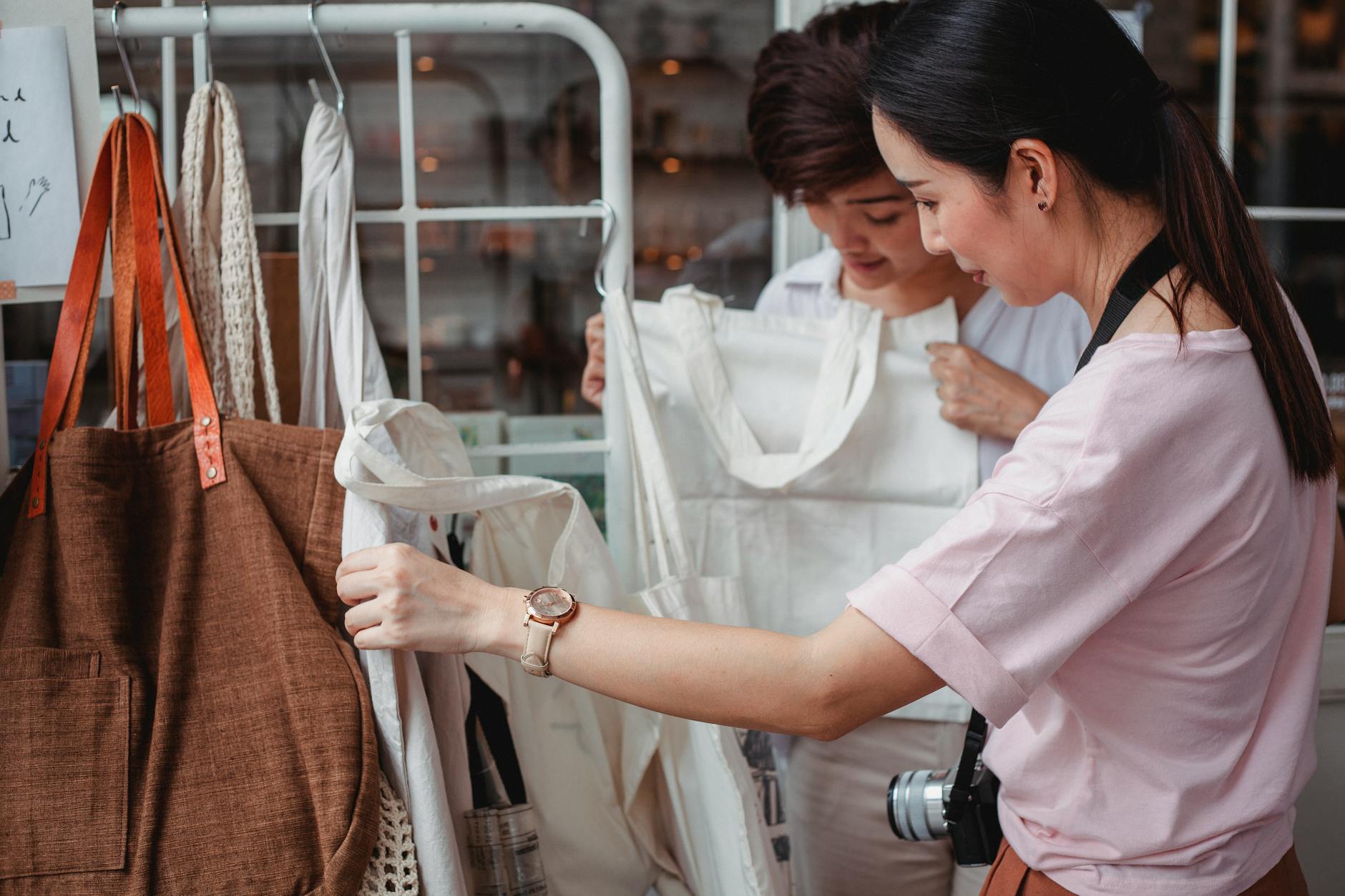
Choosing the right branded bag for your next campaign is never just about slapping a logo on a product and calling it done. When that product also communicates your organisation’s values around sustainability, the decision carries even more weight. Custom recycled cooler bags in Australia have surged in popularity across corporate gifting, event merchandise, and retail branding — and it’s not hard to see why. They’re practical, reusable, visually striking, and they send a clear message that your brand cares about more than just the bottom line. Whether you’re a marketing agency sourcing products for a client pitch, a business preparing for a trade show, or a reseller building out your eco-friendly catalogue, this guide covers everything you need to know.
Why Custom Recycled Cooler Bags Are Gaining Traction in Australia
Australia’s appetite for sustainable promotional products has grown substantially over the past few years. Businesses across Sydney, Melbourne, Brisbane, and Perth are under increasing pressure from customers, stakeholders, and their own teams to reduce environmental impact. Branded merchandise is no exception to this shift.
Cooler bags made from recycled materials — typically recycled PET (rPET) fabric derived from post-consumer plastic bottles — tick multiple boxes at once. They replace single-use plastic bags and polystyrene boxes at events and picnics, they’re robust enough for repeated use, and they give recipients something genuinely useful. A branded item that lives in the back of someone’s car or gets pulled out at weekend markets keeps delivering impressions week after week.
For marketing agencies working with FMCG brands, outdoor retailers, or health-focused companies, these bags are a natural fit. For businesses in food and beverage or hospitality, they complement other brand touchpoints beautifully. You can read more about current trends shaping the promotional products market to understand how eco-product demand is evolving, and our dedicated resource on recycled promotional items for environmental organisations goes deeper on the sustainability credentials buyers should be asking about.
Understanding the Materials Behind Recycled Cooler Bags
Not all “recycled” products are created equal, and it pays to ask the right questions when sourcing custom recycled cooler bags in Australia. The most common material is rPET — recycled polyethylene terephthalate — which is produced by breaking down plastic bottles and re-spinning the fibres into durable fabric. A single medium-sized cooler bag might use the equivalent of 6–10 recycled plastic bottles.
Other materials you might encounter include:
- Recycled cotton canvas — a softer, more premium feel, ideal for lifestyle brands
- Recycled non-woven polypropylene — budget-friendly and lightweight, though less durable than rPET
- Recycled jute blends — excellent for a natural, earthy aesthetic
- RPET with insulated PEVA lining — the most practical option for genuine temperature retention
When briefing a supplier, ask whether they can provide material certifications such as the Global Recycled Standard (GRS). This matters especially for clients in government, education, or the not-for-profit sector, where procurement standards are becoming increasingly rigorous.
Also consider the insulation layer. A cooler bag without quality insulation is just a bag. For genuine functionality — think keeping drinks cold at a Gold Coast outdoor event or a corporate picnic in Adelaide’s parklands — look for at least 5mm of foam insulation with a food-safe lining.
Decoration Methods for Custom Recycled Cooler Bags
The decoration approach you choose will significantly affect both the look and the unit cost of your order. Here’s a breakdown of the most common methods used on cooler bags in Australia:
Screen Printing
Best for bold, simple designs with 1–4 solid colours. Screen printing delivers crisp results on flat fabric surfaces and tends to be the most cost-effective method for larger runs. It’s a great fit for logos and slogans. Keep in mind that gradient colours and photographic images don’t translate well through this method.
Heat Transfer and Digital Transfer
Ideal for complex artwork, full-colour designs, or photographic imagery. Heat transfer produces vibrant results and suits smaller runs where screen printing setup costs may not be justified. Some suppliers offer digital heat transfer, which eliminates the need for screens entirely.
Sublimation Printing
For all-over prints or highly detailed branding, sublimation is a powerful option — though it works best on lighter-coloured fabrics. If you’re working with a designer on a vibrant, edge-to-edge design, check out our guidance on sublimation printing colour accuracy tips for designers before finalising your artwork files.
Embroidery
A premium option that suits structured bags with reinforced panels. Embroidery adds texture and longevity but can struggle with fine detail and very small text. It’s a particularly strong choice for corporate gifting in professional services or financial sectors.
Pad Printing
Less common on bags but sometimes used on hard components like zippers, buckles, or attached accessories.
Minimum Order Quantities, Pricing, and Turnaround Times
For resellers and agencies, understanding the economics of custom recycled cooler bags in Australia is essential before going to market with a quote.
Minimum order quantities (MOQs) for recycled cooler bags typically sit between 50 and 100 units for standard decoration, though some suppliers will accommodate runs as low as 25 units for a premium. Fully custom bags — where the shape, size, and material specification are unique to your brief — generally require MOQs of 200–500 units and involve longer lead times.
Pricing varies widely based on material quality, insulation thickness, size, number of colours, and order quantity. As a rough guide:
- Budget rPET cooler bags: $8–$15 per unit (500+ units)
- Mid-range insulated rPET bags: $15–$28 per unit (200+ units)
- Premium custom cooler bags: $30–$60+ per unit (100+ units)
Always factor in setup fees (typically $40–$120 per colour/screen) and freight, especially for interstate delivery.
Turnaround times for in-stock bag styles with decoration run approximately 10–15 business days. Fully custom production from overseas — China, Bangladesh, or Vietnam are common origins — typically requires 8–14 weeks including shipping. If your client has a firm event date, plan backwards and build in buffer time.
Best Use Cases for Branded Recycled Cooler Bags
The versatility of custom recycled cooler bags makes them suitable across a surprisingly wide range of sectors and occasions. Here are some scenarios where they genuinely shine:
Corporate gifting and onboarding kits — A Sydney financial services firm including a branded cooler bag in a new employee welcome pack alongside custom printed workwear and laser engraved USB drives creates a cohesive, premium feel.
Event merchandise and activations — A health food brand running a pop-up at a Melbourne farmers market can distribute branded cooler bags as a purchase-with-purchase incentive. Similarly, fun run organisers in Sydney can include them as finisher gifts — check out our guide to event merchandise for fun runs in Sydney for complementary product ideas.
Conference and trade show giveaways — A Brisbane conference organiser looking to reduce single-use packaging can replace plastic showbags with recycled cooler bags. Pair them with paper cups and other eco-alternatives for a fully sustainable delegate kit. You might also browse our guide to event merchandise for gala dinners in Brisbane for complementary ideas.
Seasonal promotions — Easter and Christmas campaigns benefit from the gifting format a cooler bag naturally creates. Brands can fill them with products and send them as hamper-style gifts. For seasonal campaign inspiration, our resource on Easter corporate giveaways in Australia is worth a read.
Retail and loyalty programs — FMCG brands and supermarket own-brands have used cooler bags as loyalty redemption items for years. The eco angle makes the recycled version far more defensible from a PR perspective.
Healthcare and wellness organisations — Hospitals, health funds, and wellness brands in cities like Perth and Hobart can use cooler bags to reinforce health-conscious messaging. They pair well with promotional massage tools for spa and beauty businesses and other health-focused merchandise.
Artwork, Proofing, and What to Send Your Supplier
Getting your artwork right before production starts will save you significant time and money. Most Australian suppliers working with custom recycled cooler bags require:
- Vector files (AI, EPS, or PDF with outlined fonts) for any print or embroidery
- Pantone (PMS) colour references if colour accuracy is critical to your brand
- Minimum 300dpi raster images if photographic or raster artwork is involved
- A clear brief covering print position, size, and any placement restrictions
Request a digital proof before approving production, and if your budget and timeline allow, order a pre-production physical sample for large runs. Colour on screen rarely matches physical output perfectly — especially on darker fabric — so validating before committing to 500 units is always worthwhile.
For resellers managing multiple clients across different sectors — from construction firms needing promotional safety signs to real estate agencies seeking settlement gifts — building a standard artwork brief template can dramatically speed up the process.
Questions to Ask Potential Suppliers
Before committing to a supplier for custom recycled cooler bags in Australia, run through this checklist:
- Can you provide GRS or other third-party recycled material certification?
- What is the exact rPET content — and is the lining also eco-friendly?
- Do you hold stock in Australia, or is everything made to order offshore?
- What are your setup fees, and do they apply per re-order?
- Can I see a physical sample before committing?
- What’s your policy on colour variation tolerance?
- Do you offer split deliveries across multiple Australian addresses?
These questions help distinguish genuine, quality-conscious suppliers from those simply riding the sustainability trend with inferior products and vague material claims.
Key Takeaways
Sourcing custom recycled cooler bags in Australia is a smart move for resellers, agencies, and businesses looking to align their branded merchandise with sustainability goals. Here’s what to keep in mind:
- Material matters — look for verified rPET content with certifications like GRS, and check that the insulation lining is food-safe and durable
- Decoration method should match your design — screen printing suits bold logos; sublimation suits full-colour artwork; embroidery suits premium structured bags
- Plan your timeline early — stock bags with decoration take 10–15 business days; fully custom offshore production needs 8–14 weeks
- MOQs and pricing vary significantly — budget for setup fees, freight, and potential samples when preparing client quotes
- Eco credentials add value — a certified recycled cooler bag is a more compelling story for your client’s audience than a standard promotional bag, and that story should be told through the packaging and delivery experience, not just the product itself
Custom recycled cooler bags in Australia represent one of the strongest intersections of practicality, brand visibility, and environmental responsibility available in the promotional products market today. Get the brief right, ask the right questions, and these bags will deliver impressions — and brand goodwill — long after the event is over.