
Ecological Bags for Promotional Use: The Complete Australian Buyer's Guide
Discover how to source and use ecological bags as branded merchandise in Australia — tips on materials, MOQs, decoration, and suppliers.

Written by
Dylan Santos
Bags & Totes
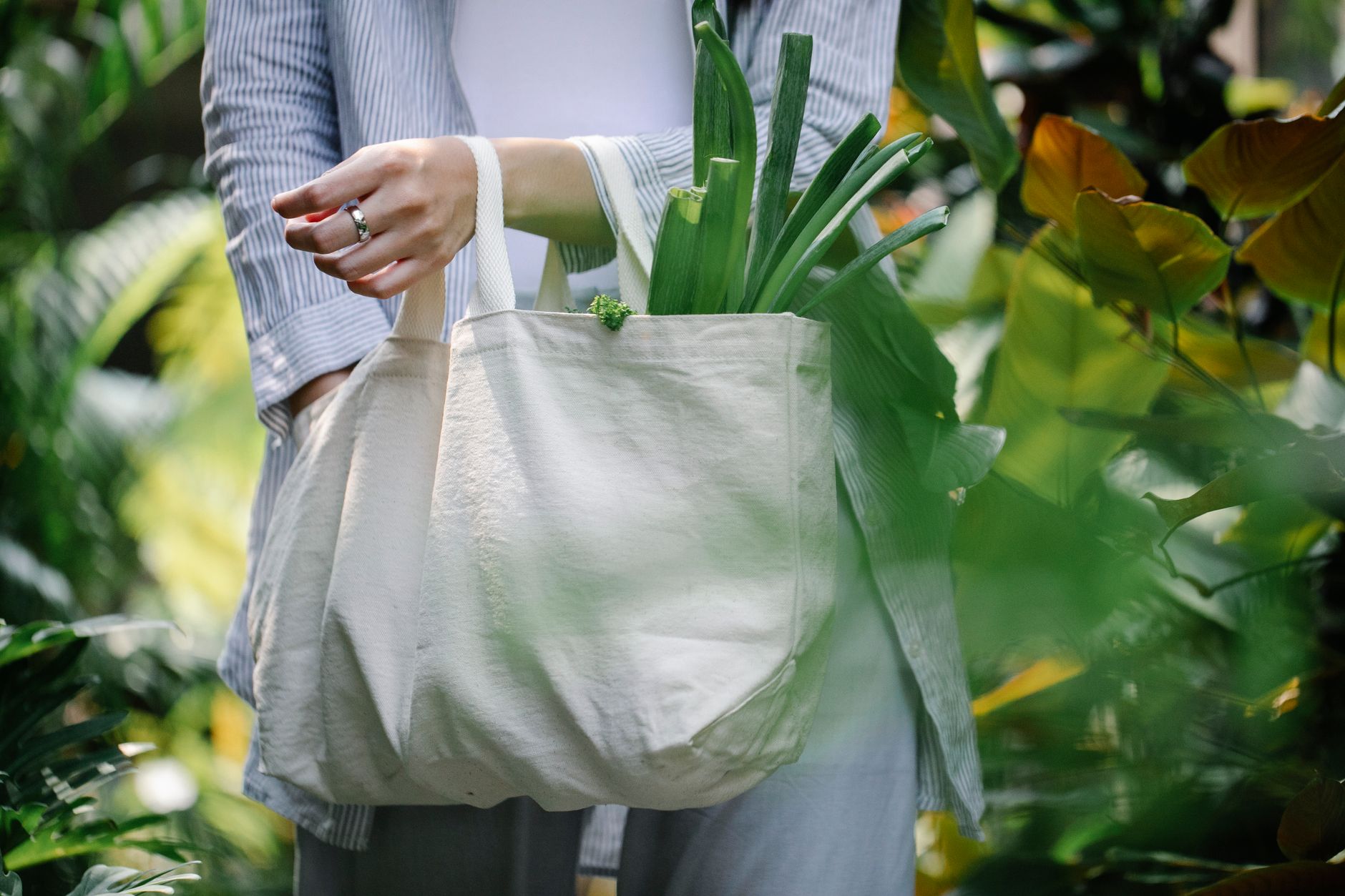
Choosing the right branded merchandise in 2026 means thinking beyond the logo. Businesses, marketing agencies, and resellers across Australia are increasingly turning to ecological bags as a smart, sustainable alternative to conventional promotional products — and for good reason. Not only do eco-friendly bags align with growing consumer expectations around environmental responsibility, but they also deliver outstanding brand visibility long after the initial handout. Whether you’re organising a conference in Sydney, sourcing merchandise for a Melbourne retail client, or building a bulk-order programme for a government department in Canberra, understanding the ecological bag landscape will help you make better buying decisions — and impress the clients you’re sourcing for.
What Are Ecological Bags, and Why Do They Matter for Branded Merchandise?
Ecological bags are reusable, sustainably produced bags made from materials that have a significantly lower environmental impact than conventional plastics or virgin synthetic fibres. The category includes a wide range of products — jute bags, organic cotton tote bags, recycled PET bags, bamboo fibre bags, non-woven polypropylene bags, and even bags made from reclaimed materials like canvas offcuts or ocean-bound plastic.
The distinction matters because not all “eco” claims are equal. A bag labelled as eco-friendly because it can be reused is quite different from one made using certified organic cotton with water-based dyes and a carbon-neutral manufacturing process. As a reseller or procurement professional, understanding these differences allows you to match products to client briefs accurately — especially when sustainability reporting or green credentials are part of the picture.
Australia’s corporate sector is paying closer attention to this than ever before. Procurement policies at councils, universities, and large corporations now routinely include sustainability criteria, and promotional merchandise is no exception. If you’re sourcing for clients who need to demonstrate genuine environmental commitment, generic claims won’t cut it. You’ll want materials with verified credentials, and suppliers who can provide documentation.
For a broader view of how sustainability is reshaping the entire promotional products category, it’s worth reviewing current trends shaping the promotional products market, which gives useful context on why eco-branded items are gaining such strong traction.
Popular Ecological Bag Materials and Their Practical Differences
Getting to know the core materials used in ecological bags helps you match the right product to the right client scenario. Here’s a breakdown of what you’ll commonly encounter:
Jute and Hessian Bags
Jute is one of the most widely used natural fibres in promotional bags. It’s biodegradable, renewable, and has a distinctive earthy texture that many brands find appealing for a premium, artisan look. Jute bags are popular for retail activations, farmers markets, health food brands, and organic or lifestyle-oriented businesses.
The main limitation is that jute doesn’t handle detailed full-colour decoration particularly well. Screen printing and heat transfer work adequately, but very fine artwork or photographic images tend to lose clarity on the rough texture. For most jute bag projects, simple, bold logos and limited colour palettes produce the best results.
Organic and Recycled Cotton Tote Bags
Cotton totes are a perennial favourite for promotional use — they’re lightweight, packable, and comfortable to carry. Organic cotton bags are grown without synthetic pesticides or fertilisers, while recycled cotton bags are made from post-consumer textile waste. Both options offer a significantly lower environmental footprint than conventional cotton.
Screen printing works exceptionally well on cotton tote bags, and embroidery is also an option for a more premium finish, particularly for corporate gifting scenarios. Standard tote bags typically start at minimum order quantities (MOQs) of around 50–100 units, though this varies by supplier. For projects at schools, universities, or not-for-profits across Brisbane, Adelaide, or Perth, cotton totes are often the most budget-accessible eco bag option.
You can explore more about reusable green shopping bags to compare specific styles and their suitability for different use cases.
Recycled PET (rPET) Bags
rPET bags are made from post-consumer plastic bottles that have been processed into polyester fibre. A standard shopping bag might contain the equivalent of four to six recycled bottles — a detail that resonates strongly with environmentally conscious recipients and makes for compelling marketing copy.
These bags are durable, water-resistant, and available in a wide range of styles — from simple totes to structured backpacks, cooler bags, and zip-up shoppers. They’re popular with corporate clients, events teams, and government departments that need a practical product with a clear sustainability story. For a deeper dive into this category, recycled PET promotional products in Australia covers sourcing, decoration, and quality considerations in detail.
Non-Woven Polypropylene Bags
These are often marketed as eco bags due to their reusability and low material cost, but it’s important to understand their limitations. Non-woven polypropylene is not biodegradable, though it can sometimes be recycled through specialist facilities. They remain a cost-effective option for high-volume campaigns — particularly for supermarket promotions, community events, or trade shows — but they shouldn’t be positioned as truly ecological without transparency about their material composition.
Bamboo and Natural Fibre Composites
Bamboo fibre is increasingly being blended with cotton and other materials to create bags with enhanced eco credentials. Bamboo grows rapidly without pesticides and requires minimal water, making it a genuinely sustainable raw material. Products made from bamboo composites often carry a premium feel and are well suited to higher-end gifting campaigns, particularly in the wellness, beauty, or corporate gifting space.
Decoration Methods Best Suited to Ecological Bags
Choosing the right decoration method is just as important as choosing the right bag material. Here’s how common printing and branding techniques apply to eco bag substrates:
Screen printing remains the most popular method for tote bags and jute bags. It delivers vibrant, long-lasting results on flat fabric surfaces and is cost-effective at volume. Ideal for single-colour or limited multi-colour logos.
Embroidery works well on canvas and thicker cotton bags for a more refined, tactile finish. It adds perceived value and holds up well through repeated use and washing. If your client is a professional services firm or corporate brand, embroidery elevates the product. Read more about embossing and tactile decoration for promotional products for similar premium-finish options.
Heat transfer and digital printing allow for more complex artwork and photographic imagery on smoother fabric surfaces. These methods are worth considering when a client’s artwork includes gradients or detailed illustrations that wouldn’t translate well via screen printing.
Sublimation can be used on polyester-based bags, including some rPET styles, for vibrant all-over prints. Check out our sublimation printing colour accuracy tips for designers if you’re preparing artwork for sublimated bags, as colour matching requires specific preparation.
Sourcing Ecological Bags: What Resellers and Agencies Need to Know
If you’re sourcing ecological bags for clients, there are several practical factors to keep front of mind throughout the process.
MOQs and Turnaround Times
Minimum order quantities for eco bags typically range from 50 to 500 units depending on the bag style, material, and supplier. Locally held stock — particularly for cotton totes and non-woven polypropylene bags — can ship within a few business days. Imported custom orders, particularly for bespoke jute bags or branded rPET backpacks, may require four to six weeks lead time from proof approval to delivery.
Always factor in time for artwork approvals, sampling (if required), and freight. For clients in regional areas — Darwin, Hobart, or regional Western Australia — factor in additional transit time. You’ll find useful context on ordering logistics for regional clients in our wholesale promotional products in Darwin guide.
Budgeting and Pricing Tiers
Ecological bags generally carry a higher unit cost than their conventional counterparts, though this gap has narrowed significantly as demand has increased. As a rough guide:
- Basic non-woven reusable bags: from $1.50–$3.50 per unit at volume
- Cotton or jute tote bags: from $4.00–$9.00 per unit depending on GSM and size
- rPET bags and backpacks: from $8.00–$25.00+ per unit depending on complexity
- Premium canvas or bamboo composite bags: from $15.00 upwards
Setup fees for screen printing typically range from $50–$100 per colour per position. Many suppliers waive setup fees on reorders, which is worth communicating to clients who plan ongoing campaigns.
Certifications to Look For
When sourcing for clients who need verified eco credentials, look for suppliers who can provide products certified under recognised standards — GOTS (Global Organic Textile Standard) for organic cotton, GRS (Global Recycled Standard) for rPET, or OEKO-TEX Standard 100 for chemical safety. These certifications can form part of a client’s sustainability reporting documentation.
This intersects with a broader discussion about recycled promotional items for environmental organisations, which explores how certification and supply chain transparency matter in sustainability-focused procurement.
Matching Ecological Bags to the Right Use Case
Different ecological bag styles suit different contexts. A few practical scenarios to guide your recommendations:
Conference and event bags: rPET tote bags or backpacks work well for delegate packs and can be pre-stuffed with branded collateral. For a conference scenario, pair your bags with promotional snack packs for event registration desks to create a cohesive welcome experience.
Retail and consumer brands: Organic cotton totes with bold, on-trend graphics are popular for fashion retailers, health food brands, and lifestyle companies across Melbourne and Sydney.
Corporate gifting: Canvas or bamboo composite bags paired with premium branded items — such as a keep cup, notebook, or wine cooling bag — make a thoughtful and sustainable gift bundle.
Government and councils: rPET bags in neutral tones with embroidered or screen-printed logos are appropriate for community initiatives, sustainability campaigns, or staff gifts.
Schools and education: Simple cotton totes at lower price points work well for school fetes, sports days, and library bag replacements. Pair these with other school merchandise for a complete package.
It’s also worth noting that ecological bags integrate neatly with broader eco merchandise ranges. If you’re building a full sustainable merchandise programme for a client, consider pairing bags with wheat straw branded phone accessories or other plant-based promotional items.
Understanding the ROI of promotional products versus other marketing channels can also help you present ecological bags as a smart long-term investment to clients who are weighing up their marketing budget.
Conclusion: Key Takeaways for Sourcing Ecological Bags in Australia
Ecological bags represent one of the strongest opportunities in the promotional products space right now — combining strong brand visibility, genuine consumer appeal, and alignment with sustainability values that matter more than ever. Here are the key points to carry forward:
- Know your materials: Jute, organic cotton, rPET, and bamboo composites each serve different needs — match the material to the client’s sustainability goals, budget, and audience.
- Choose decoration methods carefully: Screen printing suits most flat fabric bags; embroidery elevates premium products; sublimation works for polyester-based styles.
- Plan for realistic lead times: Locally stocked bags can ship quickly, but custom orders — especially imported styles — require four to six weeks or more.
- Verify eco credentials: Ask suppliers for certifications like GOTS, GRS, or OEKO-TEX when clients need documented proof of sustainability.
- Consider the full use case: The best ecological bag recommendation accounts for the event type, the recipient demographic, the decoration requirements, and the budget — not just the eco label.
With the right sourcing approach, ecological bags can become a cornerstone of any promotional merchandise programme — delivering real brand value while genuinely reducing environmental impact.