
The Best Methods for Screen Printing Promotional Products: A Complete Guide
Discover the best screen printing methods for promotional products, with expert tips on ink types, substrates, MOQs, and getting flawless results.

Written by
Sienna Chandra
Branding & Customisation
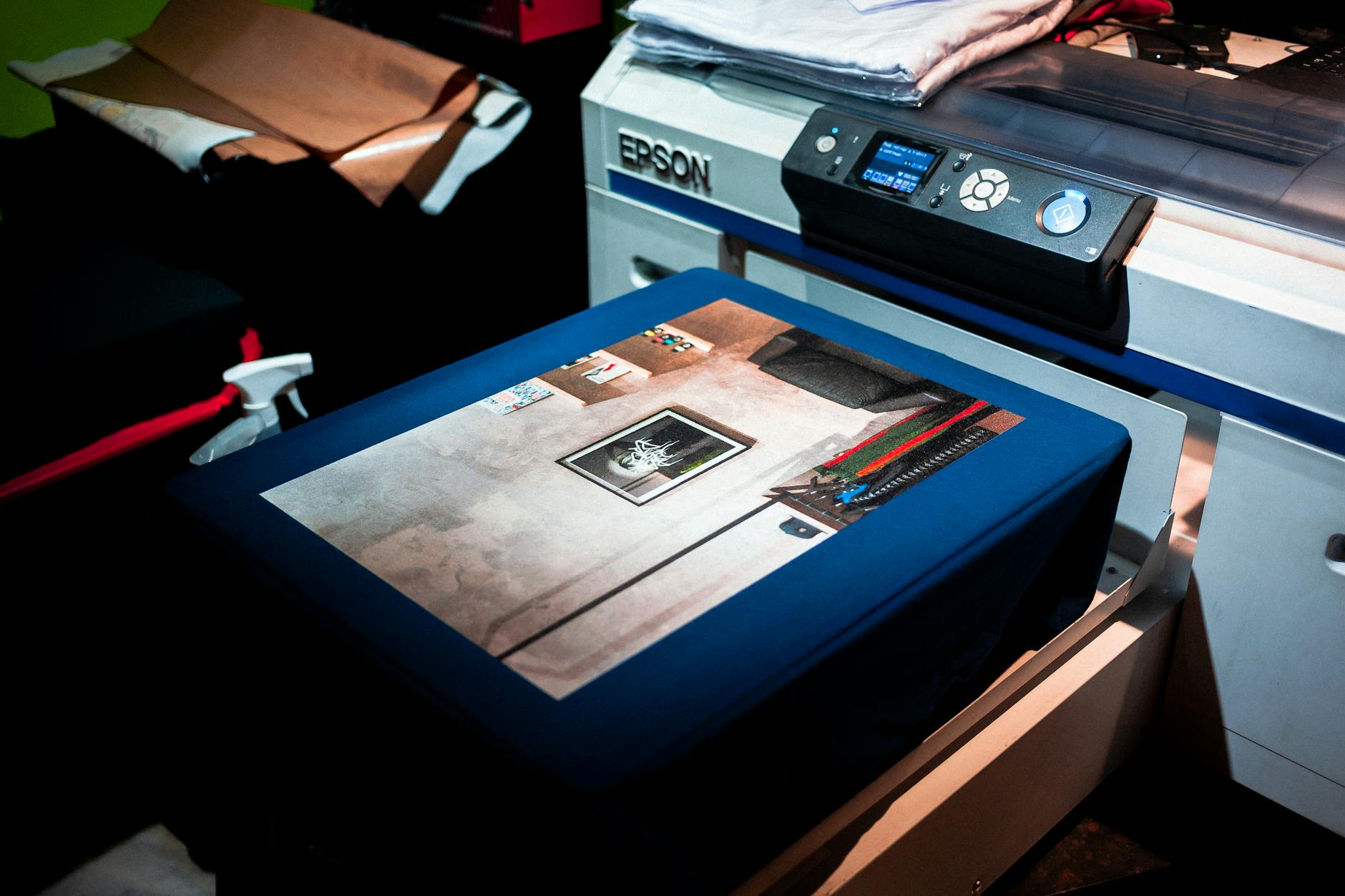
Screen printing has been the backbone of the promotional products industry for decades — and for good reason. When you need bold, vibrant, long-lasting decoration across large volumes of branded merchandise, very few methods can compete with a well-executed screen print. But here’s the thing: “screen printing” isn’t a single process. It’s a family of techniques, each with its own strengths, limitations, and ideal applications. For resellers, marketing agencies, and businesses sourcing branded merchandise across Australia, understanding the best method for screen printing for promotional products can mean the difference between a job that impresses and one that disappoints. This guide breaks down everything you need to know.
Why Screen Printing Remains a Go-To Decoration Method in Australia
Before diving into the specific methods, it’s worth understanding why screen printing continues to dominate the promotional products space in 2026. The process involves pushing ink through a mesh screen onto a substrate, with each colour applied through a separate screen. The result is a print with exceptional vibrancy, durability, and consistency — qualities that matter enormously when you’re producing 500 branded tote bags for a Sydney corporate event or 1,000 promotional t-shirts for a Melbourne fundraiser.
The economics also work strongly in its favour. Screen printing delivers significant cost advantages at scale, particularly for orders with simple artwork and limited colour counts. Setup fees are a real consideration — each colour in your design requires its own screen — but once those screens are made, the cost per unit drops substantially with volume. For anyone ordering 100 units or more, screen printing typically beats digital methods on price and beat most alternatives on colour punch.
That said, choosing the right variant of screen printing is where things get nuanced. Let’s explore the key methods in detail.
Plastisol Ink Screen Printing: The Industry Standard
If you’ve ordered custom apparel anywhere in Australia, there’s a high chance it was printed using plastisol ink. Plastisol is a PVC-based ink that sits on top of the fabric rather than soaking into it, which gives it that slightly raised, opaque finish that’s become synonymous with screen-printed merchandise.
Why Plastisol Works So Well for Promotional Products
Plastisol’s appeal comes down to a few key properties:
- Opacity: It prints beautifully on dark fabrics, making it ideal for navy polos, black hoodies, and charcoal tees — all common choices for custom printed workwear Australia projects across trade and corporate sectors.
- Durability: Plastisol prints are wash-resistant and scratch-resistant, making them a reliable choice for garments that’ll see heavy use.
- Colour accuracy: Plastisol inks can be mixed to precise PMS specifications, which is critical for brands with strict colour standards.
- Ease of production: It’s forgiving to work with, cures at predictable temperatures, and delivers consistent results run after run.
The main limitation? Plastisol doesn’t breathe especially well, which can make garments feel slightly stiffer in the print area. For performance or athletic wear, this matters. For standard promotional apparel and merchandise, it rarely does.
Typical Applications for Plastisol Screen Printing
- Promotional t-shirts, hoodies, and polos
- Custom stubby holders (PVC and neoprene variants — check out our custom stubby holders guide for more)
- Canvas and non-woven tote bags
- Promotional caps (flat print areas)
Water-Based Ink Screen Printing: Softer Feel, Eco-Friendly Appeal
Water-based inks have grown significantly in popularity, particularly as sustainability becomes a bigger consideration for Australian organisations. Unlike plastisol, water-based inks soak into the fabric fibres rather than sitting on top, producing a softer hand-feel and a more “vintage” look.
When Water-Based Printing Is the Right Choice
For retail-quality branded apparel — think premium event merchandise or fashion-forward corporate gifts — water-based screen printing is often the preferred approach. The ink becomes part of the garment, which gives it a breathable, lived-in feel that wearers genuinely appreciate.
However, water-based printing comes with some trade-offs. It’s more demanding to work with in production, performs less predictably on darker fabrics without a discharge pre-treatment, and requires more careful curing. Turnaround times can be slightly longer, and costs may edge higher for complex jobs.
For organisations focused on sustainable branded merchandise — councils in Canberra sourcing eco-conscious giveaways, or environmental groups looking for recycled promotional items for environmental organisations — pairing water-based inks with organic cotton or recycled fabric substrates is an increasingly popular combination that aligns with broader messaging.
Discharge Printing: The Premium Option for Dark Fabric Apparel
Discharge printing is a specialist technique often used alongside water-based inks. Rather than adding a layer of ink on top of the fabric, a discharge agent chemically removes the dye from the fabric and replaces it with the desired colour. The result is an incredibly soft, breathable print that feels as though it was woven into the garment.
This is a premium process — it costs more and requires careful fabric selection (only reactive-dyed natural fibres respond correctly to discharge). But for high-end branded apparel where comfort and quality are priorities, discharge printing is hard to beat.
It’s worth noting that discharge printing is less suitable for budget-focused promotional campaigns. If you’re weighing up methods for an event-specific item or a short-shelf-life giveaway, plastisol or water-based methods will generally be more cost-effective.
High-Density and Specialty Screen Printing Techniques
Beyond the standard ink types, screen printers can apply a range of specialty techniques that add texture, dimension, and visual interest to promotional products. These include:
- High-density printing: Multiple passes of thick ink create a raised, three-dimensional print that looks and feels impressive — great for premium corporate merchandise
- Foil transfers via screen print base: A screen-printed adhesive layer is used to apply metallic foil, ideal for awards, event merchandise, and luxury brand applications
- Gel printing: Similar to high-density but with a smoother, glossy finish
- Puff printing: A heat-activated additive causes the ink to rise and expand during curing, creating a foam-like raised texture
These techniques are particularly popular for event merchandise where visual impact matters — whether that’s event merchandise for gala dinners in Brisbane or branded items for trade show booths across Adelaide and Perth.
The Best Method for Screen Printing for Promotional Products: Choosing Based on Your Needs
So, which method should you choose? The honest answer is that it depends on your specific project variables. Here’s a practical framework:
Consider Your Substrate First
Screen printing works beautifully on flat, absorbent surfaces — fabric being the classic example. However, it’s also used on rigid promotional items like paper cups, promotional signs such as promotional safety signs for construction companies Australia, and various plastic or rubber products.
For fabrics: match ink type to the fabric composition and desired feel. For rigid substrates: plastisol or UV-cured inks are typically the standard.
Factor In Your Artwork Complexity
Screen printing is at its best with clean, bold, limited-colour artwork. Photographic images or designs with gradients are genuinely better served by sublimation (our sublimation printing colour accuracy tips for designers post covers this in depth) or digital methods.
Every colour in a screen print requires its own screen — typically adding $15 to $50+ per screen to the setup cost. A two-colour logo is ideal for screen printing economics; a twelve-colour gradient illustration is not.
Match the Method to Your Volume
Screen printing setup costs mean it rarely makes financial sense for quantities under 50 units. The sweet spot is typically 100 to 500+ units, where the per-unit cost drops substantially and delivers genuine value. For event merchandise for fun runs in Sydney or large sporting events across Queensland, this volume tier is common and well-suited to screen printing.
Account for Turnaround Time
Standard screen printing turnaround in Australia typically runs 7 to 14 business days from artwork approval. Rush services are available but command a premium. If you’re sourcing branded merchandise for easter corporate giveaways Australia or seasonal campaigns with fixed deadlines, build adequate lead time into your planning.
What Screen Printing Cannot Do (and What to Use Instead)
Part of choosing the best method for screen printing for promotional products is knowing when it’s not the right tool. Screen printing has genuine limitations:
- Very short runs: Under 50 units, setup costs make it uneconomical. Digital printing or heat transfer are better suited.
- Full-colour photographic imagery: Sublimation or direct-to-garment printing is more appropriate.
- Small, intricate items: Laser engraving (explore our laser engraved USB drives Australia guide) or pad printing typically performs better on small hard goods like pens and gadgets.
- Personalisation at scale: If each item needs a different name or number (think personalised certificates in Brisbane), digital methods are the only viable option.
- Non-flat surfaces: Curved items like bottles, mugs, and branded items like custom lanyards with retractable reel typically use pad printing or sublimation.
Understanding this landscape helps resellers and marketing agencies make confident recommendations to their clients rather than discovering limitations mid-project.
Working with Australian Screen Printing Suppliers: Key Considerations
When sourcing screen printing services for promotional products in Australia, there are several practical factors to keep in mind:
- Request a pre-production sample for any order over $500 — it’s worth the time and cost to validate colour and placement before the full run
- Provide print-ready artwork in vector format (AI or EPS) with colours specified as PMS codes wherever possible
- Confirm screen printing vs. alternative decoration methods in writing — some suppliers may substitute methods without explicit clarification
- Ask about ink certifications, particularly for children’s products or items that require OEKO-TEX compliance
- Understand the full cost structure: unit price plus setup fees plus freight gives you the true landed cost
It’s also worth staying across broader promotional products market trends to understand how decoration methods are evolving, and keeping an eye on emerging product categories where screen printing is gaining new applications.
Conclusion: Key Takeaways
Choosing the right screen printing method for your promotional products doesn’t need to be overwhelming. Here’s a quick summary of what to keep in mind:
- Plastisol ink is the most versatile and widely available screen printing method — excellent for bulk apparel, tote bags, and standard promotional merchandise
- Water-based inks deliver a softer, more premium feel and are the better choice for sustainability-focused campaigns or fashion-forward branded apparel
- Discharge printing is a specialist premium option for dark fabrics where softness and breathability are priorities
- Specialty techniques like high-density, foil, and puff printing add visual impact for premium merchandise and event applications
- Screen printing has clear limits — know when sublimation, laser engraving, pad printing, or digital methods are the better fit for your project
- Volume, artwork complexity, substrate, and turnaround time are the four variables that should guide every screen printing method decision
When in doubt, work closely with your supplier to match the decoration method to your brief — the right choice upfront saves time, money, and headaches downstream.