
Choosing the Right Printer for Labels: A Practical Guide for Businesses and Resellers
Discover how to choose the best printer for labels for your business or reseller operation — covering types, costs, and key buying tips.

Written by
Sienna Chandra
Branding & Customisation
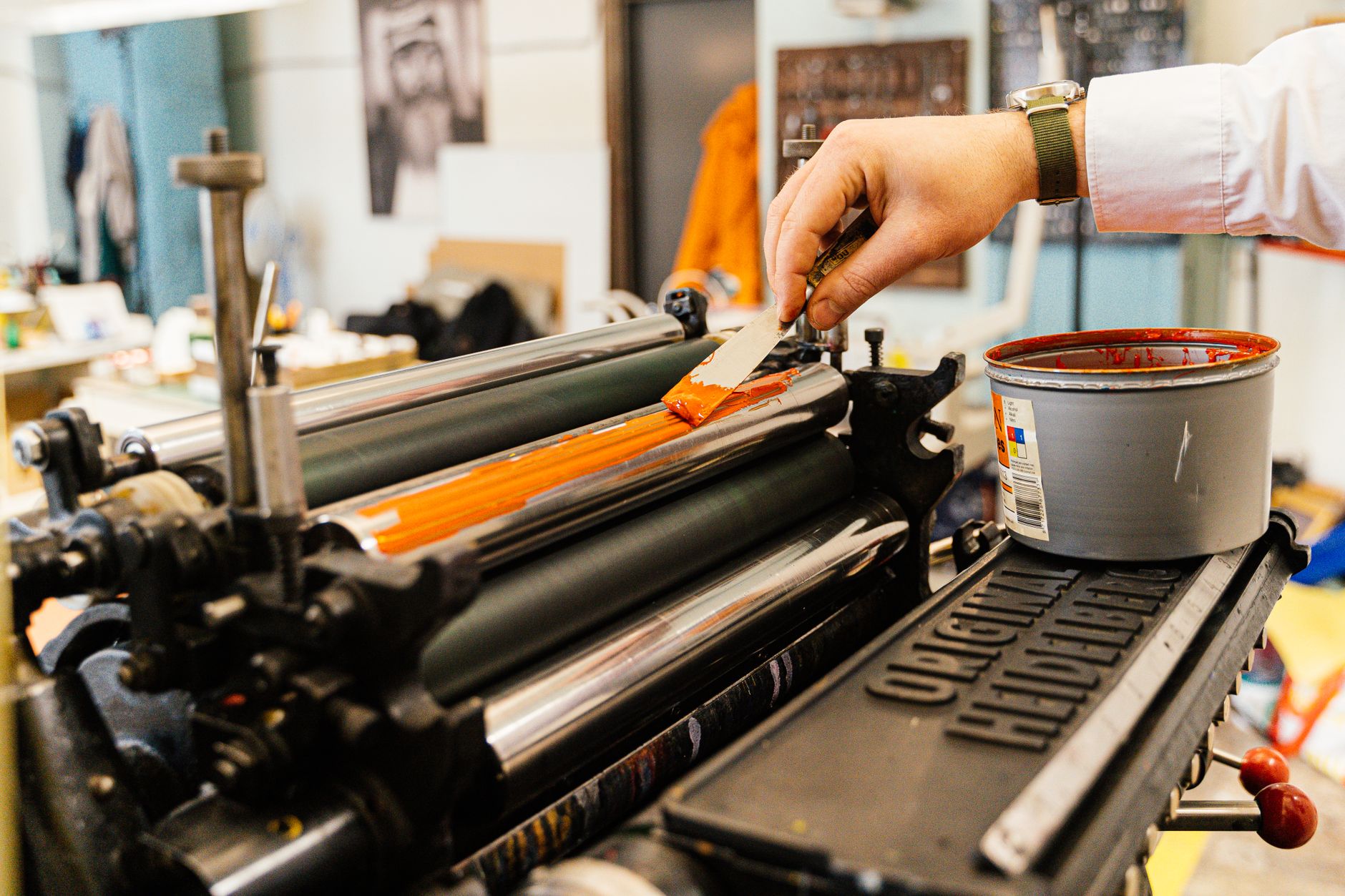
Choosing the right printer for labels can feel overwhelming, especially when you’re managing a growing product line, coordinating branded merchandise orders, or running a reseller operation that demands consistency and speed. Whether you’re a marketing agency in Sydney putting together product packaging for a client launch, a small business in Brisbane printing address labels in-house, or a merchandise reseller in Melbourne looking to bring more of your workflow under one roof, label printing is a decision that deserves careful thought. The wrong choice can mean wasted consumables, inconsistent print quality, and delays that hurt your reputation. This guide breaks down everything you need to know.
Why Label Printing Matters for Businesses and Resellers
Before diving into printer types, it’s worth considering just how central label printing has become to modern business operations. Labels aren’t just stickers — they’re a branding touchpoint. From product labelling and packaging to promotional merchandise tagging, event registration assets, and retail shelving, labels carry brand identity into physical spaces.
For resellers and marketing agencies, in-house label printing can dramatically reduce lead times and give you greater creative control. Rather than outsourcing every small run, you can produce professional labels on demand. This is particularly useful for last-minute client requests or short-run promotional campaigns.
If you’re working in the promotional products space, labels often complement your broader merchandise offering. Think branded packaging inserts, hang tags for custom merchandise runs, or product identification stickers that accompany corporate gift sets. Understanding how label printing fits into your workflow is the first step to choosing the right equipment.
Types of Printers for Labels: Which One Suits Your Needs?
Not all label printers are created equal. The best choice depends on your print volume, label materials, colour requirements, and budget. Here’s a breakdown of the main categories.
Thermal Transfer Printers
Thermal transfer printers use a ribbon to transfer ink onto label stock. They produce durable, high-quality prints that resist smudging, moisture, and heat — making them ideal for product labels, logistics labels, and anything that needs to withstand handling or storage.
These printers are a favourite among warehouse operations, manufacturers, and resellers handling inventory management. If you’re coordinating large merchandise shipments across multiple Australian states, thermal transfer labels will hold up far better than inkjet alternatives.
Best for: Product labelling, logistics, durability-critical applications Typical cost: $300–$2,000+ depending on print width and speed
Direct Thermal Printers
Direct thermal printers use heat-sensitive label stock rather than a ribbon. They’re simpler to operate and have lower running costs, but the labels are more susceptible to fading over time — particularly with heat or UV exposure.
These are ideal for shipping labels, receipts, and short-term use cases. If you’re printing labels for event registration desks or temporary product tagging, direct thermal is a cost-effective solution.
For ideas on how labels can support event setups more broadly, take a look at our guide on promotional snack packs for event registration desks — label presentation can make a big difference to the overall brand experience.
Best for: Shipping labels, event use, high-volume short-term applications Typical cost: $150–$800
Inkjet Label Printers
Inkjet label printers deliver full-colour printing and are well-suited to marketing and branding applications where visual quality is paramount. They can print on a wide range of label materials, including glossy, matte, and waterproof stocks.
For marketing agencies producing sample product labels for clients, or resellers creating branded hang tags and packaging inserts, inkjet printers offer a compelling balance of quality and versatility. However, inkjet labels may not be as durable as thermal alternatives without lamination.
Best for: Full-colour marketing labels, product prototyping, creative applications Typical cost: $200–$1,500+ depending on capability
Laser Label Printers
Laser printers produce crisp, precise prints and are particularly strong with text, barcodes, and monochrome or limited-colour designs. They’re fast, cost-efficient at scale, and deliver consistent results across large print runs.
A Perth-based reseller running high-volume label production would find laser printing economical over time, with lower cost-per-label than inkjet alternatives. The caveat is that laser printers typically require specific label stock to avoid damage to the printer fuser unit.
Best for: Text-heavy labels, barcodes, high-volume monochrome printing Typical cost: $300–$2,500+
Key Factors to Consider When Choosing a Label Printer
Once you’ve identified the type that suits your workflow, there are several practical factors to weigh up before committing to a purchase.
Print Volume and Speed
Consider how many labels you’ll be printing daily, weekly, and monthly. A desktop thermal printer designed for light use will struggle under heavy production loads and wear out prematurely. If you’re supporting a reseller business in Darwin or Adelaide with consistent order volumes, you’ll want to invest in a commercial-grade model built for sustained output. Our wholesale promotional products in Darwin guide touches on the importance of matching equipment capacity to order scale.
Label Material Compatibility
Different label stocks — paper, polyester, polypropylene, vinyl — require different printer types and settings. Make sure your chosen printer supports the materials your use case demands. If you’re producing labels for outdoor products or merchandise exposed to moisture, you’ll need a printer that can handle synthetic, waterproof stock.
Colour vs. Monochrome
If your labels need to reflect precise brand colours — think PMS-matched hues for corporate clients — you’ll need to consider colour accuracy carefully. Our article on sublimation printing colour accuracy tips for designers offers insights into colour management that are equally relevant to label printing.
Connectivity and Software Integration
Modern label printers should integrate smoothly with your existing systems — whether that’s your e-commerce platform, inventory management software, or design tools. Look for USB, Wi-Fi, and Ethernet connectivity options, and check compatibility with label design software like Bartender, ZPL-based tools, or the printer’s proprietary software.
Total Cost of Ownership
The sticker price of the printer is just one part of the equation. Factor in:
- Label stock and ribbon costs
- Maintenance and printhead replacement
- Ink or toner cartridges
- Software licensing fees
For resellers, these ongoing costs affect your margin on branded merchandise projects, so model out the cost-per-label across expected print volumes before buying.
In-House Label Printing vs. Outsourcing: What Makes More Sense?
This is a question many businesses and resellers wrestle with, and the honest answer is: it depends on your volume and use case.
In-house printing makes sense when:
- You need labels on short notice or in small batches
- You want full creative control over branding
- You produce a high enough volume to justify the hardware investment
- You require variable data printing (unique barcodes, serial numbers, QR codes per label)
Outsourcing makes sense when:
- Your label runs are large and infrequent
- You need specialist materials or finishes (foil, embossing, die-cut shapes)
- Colour accuracy is critical and you lack calibration expertise
If you’re producing premium branded merchandise for corporate clients, outsourced labels with specialist finishes can elevate your offering significantly. For reference on how premium finishing techniques enhance brand perception, our quality guide to embossing for promotional products is well worth reading.
Label Printing for Promotional Merchandise and Corporate Gifting
For those working in the promotional products or corporate gifting space, label printing plays a supporting role that’s easy to underestimate. Labels appear on:
- Custom gift boxes and packaging inserts
- Branded water bottles and drinkware
- Hang tags attached to apparel like sublimated polo shirts or varsity team jackets
- Product tags for eco-friendly merchandise
- Stickers included in promotional sticky notes campaigns
For Christmas gifting campaigns or end-of-year corporate gift packs, in-house label printing allows you to personalise packaging at scale. Take a look at our staff Christmas gift ideas guide for inspiration on how packaging and labelling can tie a gift set together beautifully.
If you’re exploring the broader value of branded merchandise as a marketing channel, our breakdown of the ROI of promotional products vs other marketing channels puts label printing investment into a helpful strategic context.
Sustainability Considerations in Label Printing
Sustainability is increasingly on the radar for Australian businesses and their clients. When evaluating a printer for labels, consider whether you can source eco-friendly label stock — recycled paper, compostable materials, or labels printed with water-based inks.
If your client base includes environmental organisations or councils prioritising green procurement, demonstrating sustainable label printing practices adds tangible value. For broader context on eco-conscious merchandise, our guides on recycled PET promotional products and reusable green shopping bags show how the sustainability conversation is shaping procurement decisions across Australia.
It’s also worth noting that some wheat straw branded phone accessories suppliers and similar eco-product lines now request that packaging and labelling meet sustainability criteria — something your label printing setup may need to accommodate.
Conclusion: Finding the Right Printer for Labels in Your Business
Choosing the right printer for labels is ultimately about matching your technical requirements to your business model. Whether you’re a marketing agency managing multi-client campaigns, a merchandise reseller scaling your operation, or a corporate business bringing label production in-house, the investment pays off when it’s aligned with your actual workflow and output needs.
Key takeaways:
- Match the printer type to your use case — thermal for durability, inkjet for colour, laser for volume and text clarity
- Calculate total cost of ownership, not just the upfront hardware price — labels, ribbons, and maintenance add up
- Consider whether in-house or outsourced label printing better suits your scale and quality requirements
- Think about sustainability — eco-friendly label stocks are increasingly expected by environmentally conscious clients across Australia
- Label printing is part of your brand story — when integrated thoughtfully into your merchandise and gifting workflow, it elevates the entire customer experience
Taking the time to assess your needs carefully before purchasing will save you considerable cost and frustration down the track — and position your business or reseller operation to deliver consistently professional results.