
Branded Sauce Bottles as Promotional Products: A Complete Sourcing Guide for Australian Businesses
Discover how branded sauce bottles work as promotional products in Australia — sourcing tips, decoration methods, MOQs, and supplier advice.

Written by
Sam Deluca
Outdoor & Leisure
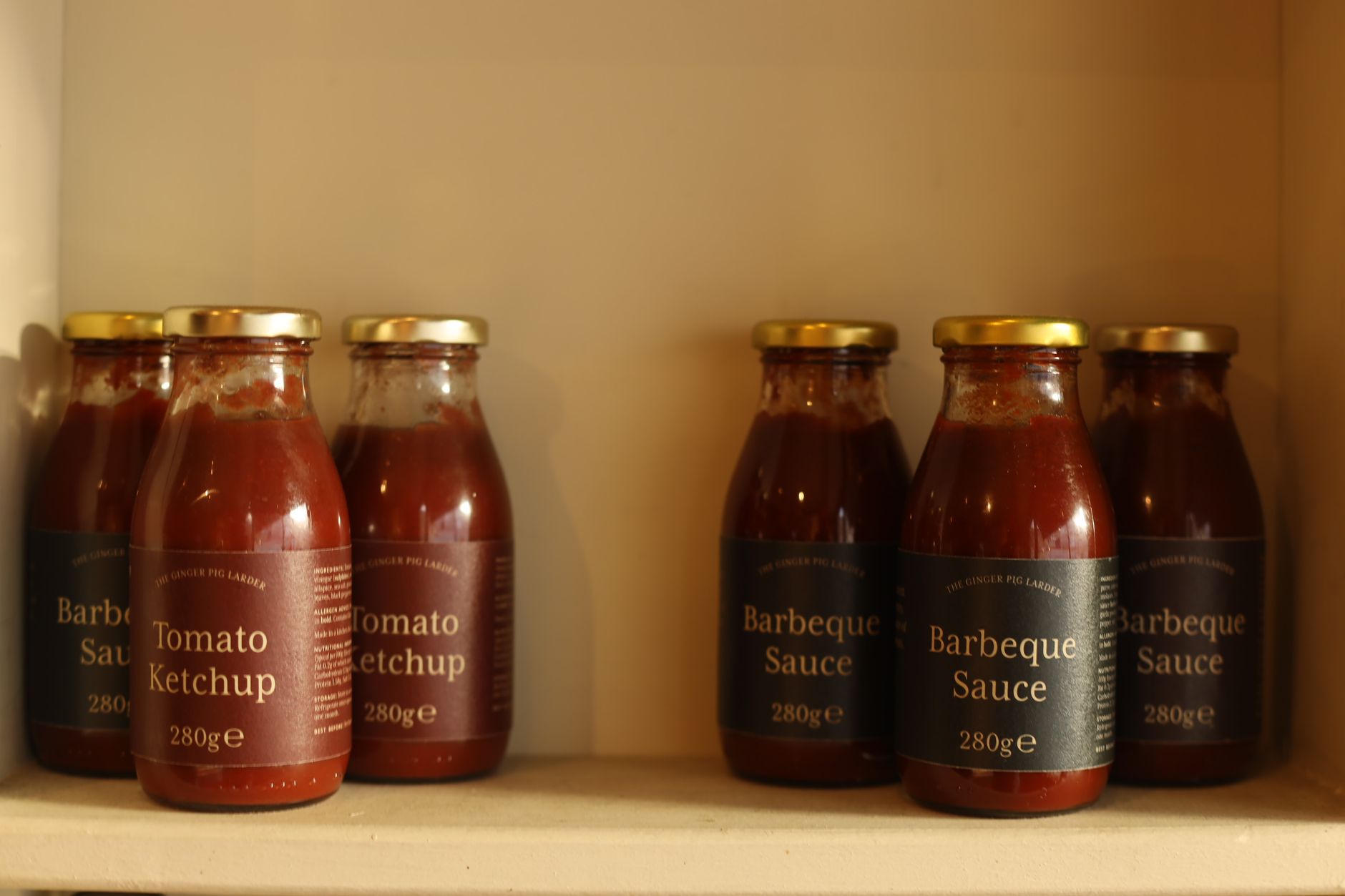
Promotional products come in all shapes and sizes, but few generate the kind of everyday visibility that a well-branded sauce bottle can deliver. Whether you’re a reseller looking to expand your product catalogue, a marketing agency sourcing unique corporate gifts, or a business wanting to make a lasting impression at your next trade show or event, branded sauce bottles are a surprisingly effective and underrated choice. They sit on desks, appear at barbecues, and land on kitchen benches — all prime real estate for your client’s logo. This guide will walk you through everything you need to know about sourcing sauce bottles as promotional products in Australia, from decoration methods and minimum order quantities to budget planning and ideal use cases.
Why Sauce Bottles Are Worth Considering as Promotional Products
Most marketers default to the usual suspects — pens, tote bags, and branded caps — but the promotional products industry rewards creativity. Sauce bottles occupy a genuinely useful niche. They’re practical, reusable, and lend themselves to a wide range of promotional applications.
Think about a Brisbane catering company wanting to send branded hot sauce kits to clients at the end of the year. Or a Melbourne food festival handing out custom-labelled condiment bottles as part of a sponsor activation. Or a Gold Coast hospitality group stocking restaurant tables with sauce bottles that feature their brand front and centre. These aren’t niche scenarios — they’re happening across Australia regularly, and resellers who can source quality branded sauce bottles are well-positioned to serve these clients.
From a pure marketing value perspective, the return on investment for functional promotional products is consistently strong. If you haven’t already, it’s worth reviewing how promotional products stack up against other marketing channels to understand just how much mileage a well-chosen item can deliver.
What Types of Sauce Bottles Are Available for Branding?
The term “sauce bottle” covers a surprisingly broad product range. Here’s a breakdown of the most common types sourced for promotional purposes:
- Squeeze bottles — the classic plastic condiment bottle, available in various capacities (typically 250ml, 500ml, and 1 litre). These are popular for food service businesses and events.
- Glass sauce bottles — premium option, often used for artisan food brands, gifting, and high-end hospitality. If glass drinkware interests you, our guide on water bottles in glass covers the branding considerations for glass products more broadly.
- Stainless steel condiment dispensers — modern, sleek, and well-suited to corporate gifting or premium event merchandise.
- Table-top sauce dispensers — larger format, typically used by cafés, restaurants, and food service venues.
- Mini sauce bottle gift sets — small presentation boxes with multiple condiment varieties, ideal for hampers and seasonal gifting.
Each format has different decoration and customisation options, so it’s worth thinking carefully about the end use before committing to a specific product type.
Decoration Methods for Branded Sauce Bottles
Getting your client’s logo onto a sauce bottle requires choosing the right decoration method. The shape, material, and intended use all influence which technique is most appropriate.
Label Printing and Wrap-Around Labels
For glass and plastic sauce bottles, custom-printed labels are by far the most popular and cost-effective method. Full-colour labels can be digitally printed with high resolution artwork, allowing for detailed branding, product information, ingredient lists, and QR codes. Wrap-around labels maximise surface area and give the bottle a polished, retail-quality finish.
This is especially relevant for resellers supplying food brands or artisan producers who want their bottles to look shelf-ready. The key advantage here is flexibility — labels can be changed without requiring a new bottle run, which makes them practical for seasonal campaigns or limited-edition releases.
For tips on achieving the best colour outcomes when preparing artwork for print, our sublimation printing colour accuracy guide for designers covers useful principles that apply across many decoration methods, including label print production.
Pad Printing
Pad printing is well-suited to plastic squeeze bottles, particularly when a clean, logo-only approach is required. It’s a direct-to-surface method that works on curved and irregular shapes, making it practical for the rounded profiles of most condiment bottles. Typical MOQs for pad printing on promotional items start at around 50–100 units.
Laser Engraving
For stainless steel or glass premium sauce bottle formats, laser engraving produces a sophisticated, permanent finish. It’s a popular choice for corporate gifts and award-style presentations. There are no consumables involved, which often keeps per-unit costs competitive at mid-range quantities.
Screen Printing
Screen printing can be applied directly to certain bottle formats, particularly flat-sided or wide-body designs. It delivers excellent colour vibrancy and is cost-efficient at higher volumes (500+ units). For smaller runs, pad printing or label printing will typically be more economical.
Minimum Order Quantities, Lead Times, and Budget Considerations
One of the first questions resellers and marketing agencies ask when exploring a new product category is: “What’s the minimum I can order?” For branded sauce bottles, MOQs vary significantly depending on the format and decoration method:
- Printed label bottles (plastic): MOQs typically start at 50–100 units
- Glass sauce bottles with printed labels: MOQs generally from 100–250 units
- Pad printed plastic bottles: 50–250 units depending on supplier
- Laser engraved premium formats: Often available from as few as 25–50 units
Lead times in Australia typically range from 7–15 business days for standard orders once artwork is approved, though rush turnarounds of 5–7 business days are sometimes available for additional fees. If you’re ordering from suppliers in Darwin or other regional areas, it’s worth building in extra transit time — our overview of wholesale promotional products in Darwin covers some practical regional sourcing considerations.
Budget-wise, entry-level branded squeeze bottles with printed labels can come in at under $5 per unit at quantities of 200+. Premium glass formats with full-colour labels and gift packaging can range from $15 to $40+ per unit depending on specifications. Always factor in setup fees, which typically range from $50 to $150 per colour/position for direct decoration methods.
Best Use Cases for Branded Sauce Bottles
Understanding where branded sauce bottles perform best will help you position this product category effectively to clients.
Food and Hospitality Businesses
This is the most obvious use case. Restaurants, cafés, food trucks, and catering businesses across Sydney, Melbourne, Perth, and Brisbane regularly use branded condiment bottles to reinforce their identity on every table. Custom sauce bottles are also excellent for hospitality businesses launching new menu items or seasonal specials.
Corporate Gifting and End-of-Year Hampers
Sauce bottles — particularly premium glass formats or curated gift sets — work extremely well in corporate hampers. Paired with branded cutting boards, wine cooling bags (see our guide to wine cooling bags for sourcing tips), and other gourmet items, they make for memorable end-of-year gifts. If you’re building out a full Christmas gifting programme, our staff Christmas gift ideas post offers a range of complementary product suggestions.
Food Festivals, Markets, and Expos
Trade shows and food expos are natural environments for branded sauce bottle giveaways and sampling activations. A custom-labelled mini hot sauce or BBQ sauce bottle handed out at a Sydney food festival creates an instant connection between product and brand.
Artisan and Small Batch Food Producers
This is a growing market segment across Australia. Small-batch condiment producers — think artisan chilli sauce makers in Adelaide or boutique BBQ rub brands in regional Queensland — often need relatively small runs of branded bottles. Resellers who can accommodate orders in the 100–500 unit range with fast turnarounds are well-placed to serve this audience.
Artwork and Proof Approval Tips for Sauce Bottle Projects
Getting the artwork right is critical for sauce bottle projects, particularly for label printing. Here are the key things to communicate to your clients before production begins:
- Supply vector artwork (AI, EPS, or high-res PDF) wherever possible. For labels with detailed product information or fine text, resolution matters significantly.
- Clarify label dimensions early — wrap-around labels need precise measurements including the overlap zone. A template from the supplier is essential.
- Proof approval is non-negotiable — always get written sign-off from the client before releasing the job to production. Colour shifts between screen and print are common without PMS matching.
- Consider bleed and safe zones — artwork that runs to the edge of a label needs adequate bleed (typically 3mm) to avoid white edges after cutting.
For resellers managing multiple client projects simultaneously, having a streamlined digital proof and approval workflow makes a significant difference to turnaround reliability.
Expanding Your Product Range Beyond Sauce Bottles
If you’re building out a broader food, drink, and lifestyle product offering for clients, sauce bottles are a natural anchor product in a wider catalogue. Complement them with items like tote bags for promotional use, branded phone accessories in eco-friendly materials, or even waterproof phone cases for outdoor and lifestyle brands.
For clients in the food and hospitality space, consider also offering tradie-friendly lunch bags or custom shopper and tote bags as complementary branded merchandise. And if you’re working with clients who run seasonal events, don’t overlook items like personalised Christmas baubles that pair beautifully with gourmet food gifts.
Rounding out your tech product line with items like USB charging accessories or adding apparel options like sublimated polo shirts and varsity team jackets gives your reseller business a genuinely full-service feel that keeps clients coming back.
Conclusion: Key Takeaways on Sourcing Branded Sauce Bottles
Branded sauce bottles occupy a smart, practical niche in the Australian promotional products market — and for resellers and marketing agencies willing to invest in the category, the opportunity is real. Here’s a summary of the most important points to carry forward:
- Choose the right format for the end use — squeeze bottles for food service, glass for gifting, stainless steel for premium corporate applications.
- Label printing is the most flexible and accessible decoration method, making it ideal for small-batch artisan producers and short-run event campaigns.
- MOQs are accessible, often starting at 50–100 units, which opens the door for smaller clients and boutique food brands.
- Lead times of 7–15 business days are standard, but always build buffer time for artwork revisions and proof approvals.
- Sauce bottles perform best as part of a curated gift or campaign — pair them with complementary products to increase perceived value and client satisfaction.
Whether you’re just starting to explore sauce bottles as a product category or you’re looking to sharpen your sourcing strategy, the fundamentals are straightforward: match the format to the brief, nail the artwork, and partner with suppliers who understand food-safe materials and label compliance. Do that consistently, and branded sauce bottles will become a reliable, high-value line in your promotional products portfolio.