
International Promotional Product Trends and How They're Shaping Australian Merch in 2026
Discover which global promo product trends are reshaping the Australian market in 2026 and how businesses can adapt them locally.

Written by
Maya Petrov
Industry Trends & Stats
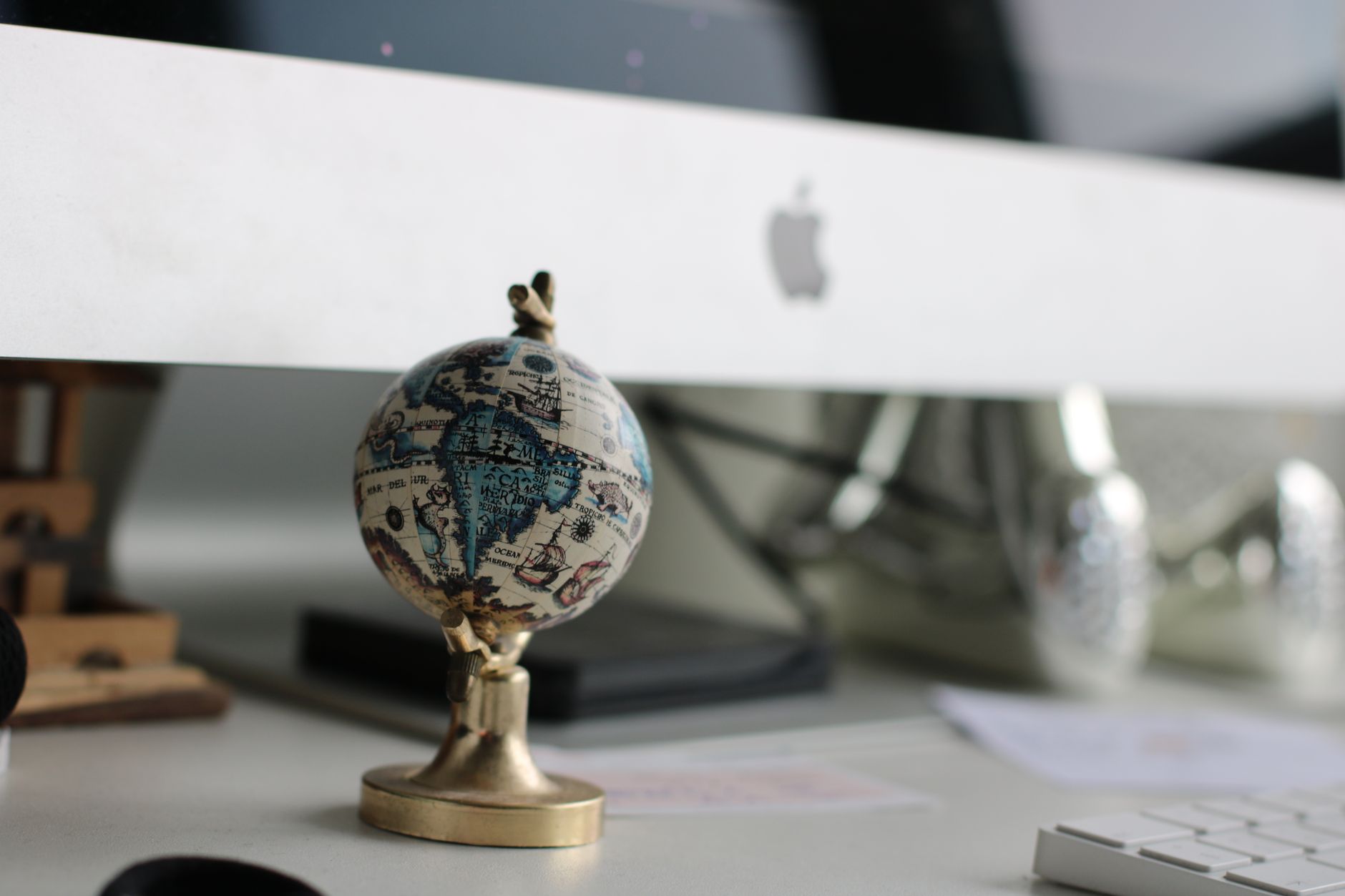
Promotional product trends don’t emerge in a vacuum. What starts as a movement in New York trade show circles, a sustainability push from European corporate buyers, or a tech-forward gifting trend in Singapore can find its way to Australian shores within a matter of months. For businesses, marketing agencies, and resellers operating in this space, understanding which international promotional product trends are genuinely adapting to Australia — and which ones need localising before they land — is a serious competitive advantage. The Australian market has its own quirks, climate, regulations, and buyer expectations, and that means the translation from global to local is rarely a straight line.
Why Global Promo Trends Don’t Always Land the Same Way in Australia
There’s a reason why certain global trends take hold quickly in Sydney and Melbourne while they barely register in Perth or Darwin. Australia’s geography plays a massive role. A reusable drinkware trend that resonates strongly in dense, commuter-heavy European cities translates differently when a large portion of your audience drives to work across suburban sprawl. Similarly, seasonal gifting trends tied to Northern Hemisphere winters need to be reframed entirely for an Australian summer that peaks in December.
Beyond geography, Australian corporate culture has its own tempo. Businesses here tend to be more practically minded when it comes to merchandise — they want products that get used, not just displayed. This creates an interesting filter: international trends that prioritise novelty over function often get stripped back to their most practical core before they gain traction locally. What survives that filter is usually worth paying attention to.
For a deeper look at how the broader landscape is shifting, our overview of promotional products market trends provides useful context on where the industry has been heading.
The Big International Trends Making Waves in Australia Right Now
Sustainability Has Moved from Niche to Expectation
Globally, the shift toward eco-conscious promotional products has been building for years. In 2026, it’s no longer a differentiator in many markets — it’s a baseline expectation. Australian buyers have reached a similar inflection point, particularly in the government, education, and corporate sectors.
What makes this trend particularly interesting in the Australian context is the growing demand for products made from locally relevant materials or with Australian supply chain transparency. International products made from recycled ocean plastics or European-certified sustainable materials are competing against a rising preference for items that align with Australian environmental values and standards.
Recycled PET promotional products have seen strong uptake across Brisbane councils and Melbourne-based marketing agencies alike. Meanwhile, organisations with a strong environmental mandate are moving away from single-use giveaways entirely — a trend that’s explored in more detail in our guide to recycled promotional items for environmental organisations.
For drinkware specifically, sustainable materials and reusable formats are driving purchasing decisions across the board. Our guide to environmentally friendly branded water bottles covers this product category in depth, including what Australian buyers should look for when comparing suppliers.
The Wellness Category Is Expanding Significantly
One of the more surprising international trends to gain ground in Australia is the expansion of the wellness merchandise category. What began as upscale corporate gifting — think branded yoga mats and mindfulness journals — has broadened considerably.
In the post-pandemic global landscape, employee wellbeing became a central pillar of HR and culture strategies. Australian businesses have embraced this, but with a practical twist. Rather than aspirational wellness props, the demand has shifted toward genuinely functional wellbeing products.
This includes items like branded blue light glasses for screen workers, which have found a strong market with tech companies, remote work-focused businesses, and co-working spaces across Sydney and Melbourne. Similarly, promotional massage tools are gaining traction not just in the spa and beauty sector but as corporate wellness gifts for desk-bound teams.
Tech Accessories Are Getting Smarter and More Considered
In international markets, tech promotional products have gone through a cycle — from novelty USB drives to sophisticated wireless charging pads and smart home accessories. Australia has tracked this curve, though often with a lag that gives local buyers and resellers the advantage of learning from what did and didn’t work overseas.
The current trend internationally is toward tech products that solve real, everyday problems rather than showcasing technology for its own sake. In Australia, this means laser engraved USB drives remain genuinely popular because they solve an actual need, while gimmick tech products tend to collect dust.
For resellers and agencies, the lesson here is to focus on tech items with a proven use case rather than chasing the latest gadget trend from international trade shows. If a product doesn’t fit into a realistic daily routine for an Australian office worker, tradesperson, or student, it’s unlikely to perform well as branded merchandise.
Hyper-Personalisation Is Reshaping Gifting Programs
Globally, the shift from mass giveaways to curated, personalised gifting experiences has been one of the defining movements in the promotional products industry. In Australia, this trend is taking shape through a growing interest in premium delegate packs, tiered corporate gift programs, and event-specific merchandise curation.
The EOFY period has become a particularly strong activation point for personalised gifting in Australia. Our guide to EOFY branded thank-you gifts for loyal customers explores how businesses can use this moment strategically.
Personalisation also extends to event merchandise. Rather than generic giveaways, Australian event organisers are increasingly commissioning location-specific or event-specific items. A Brisbane gala dinner might feature event merchandise that reflects the venue’s aesthetic, while a Sydney fun run might have merchandise tailored to the event’s specific route or cause.
Food and Artisan Products as Branded Merchandise
One genuinely interesting trend arriving from international markets — particularly from North America and the UK — is the rise of premium food and artisan products as corporate gifts and conference inclusions. In Australia, this is manifesting through a growing appetite for locally sourced, branded consumables.
Promotional honey for conference delegate packs is a standout example — it’s locally produced, tells a story, and offers a premium feel that mass-produced items struggle to match. This kind of product also carries an inherent sustainability narrative that aligns with the eco-conscious values many Australian organisations now prioritise.
Decoration Trends Adapting to Australian Preferences
Beyond the products themselves, international trends in decoration methods are also shaping what Australian buyers expect. Globally, there’s been a strong move toward cleaner, more minimal branding aesthetics — less is more, with precision decoration techniques commanding premium positioning.
In Australia, embossing and debossing on leather and premium materials have grown significantly as decoration choices for corporate gifts, driven partly by the premiumisation trend and partly by a desire for more sophisticated brand presentation. Our quality guide to embossing for promotional products is a useful reference for understanding when this technique is the right choice.
Colour accuracy in decoration has also become a bigger conversation, particularly as brands become more sophisticated about brand guidelines. Sublimation printing colour accuracy is a topic that Australian designers and marketing agencies increasingly need to understand when briefing suppliers.
Adapting International Trends for Niche Australian Sectors
It’s worth noting that international promotional product trends don’t apply uniformly across all sectors. Some of the most interesting adaptations are happening in traditionally conservative categories.
Safety and construction, for instance, is seeing a quiet revolution driven by international workplace safety culture trends. Promotional safety signs for construction companies are evolving in design and material quality, reflecting higher standards across the industry.
The automotive sector is another space where practical, functional promotional products are thriving. Items like promotional tyre gauges for car rental companies demonstrate how international trends around utility gifting translate effectively in Australian B2B contexts.
Even stationery — a category that could be forgiven for feeling stale — is being refreshed. Promotional sticky notes in Perth and similar functional desk items continue to perform strongly because they solve real daily needs, which is precisely the lens through which Australian buyers filter international trends.
What Resellers and Agencies Should Take Away
Understanding how international promotional product trends are adapting to Australia isn’t just an academic exercise. For resellers building supplier relationships and agencies developing merchandise strategies for clients, it informs smarter sourcing decisions, better client conversations, and ultimately, better return on investment from branded merchandise spend. Our piece on the ROI of promotional products versus other marketing channels provides useful data to support these conversations with clients.
The most successful operators in this space are those who can identify which global trends have genuine local legs — and which need to be adapted, reframed, or deprioritised entirely for the Australian context.
Key Takeaways
- Sustainability is now a baseline expectation, not a differentiator — Australian buyers across corporate, government, and education sectors are prioritising eco-conscious products, and suppliers who can’t demonstrate credentials in this space are being left behind.
- Wellness merchandise has moved beyond novelty into genuinely functional territory — products that solve real daily problems for desk workers, remote employees, and health-conscious recipients are outperforming aspirational wellness props.
- Personalisation and curation are reshaping gifting programs — from EOFY campaigns to event delegate packs, Australian buyers are moving away from generic mass giveaways toward thoughtfully selected, occasion-specific merchandise.
- Decoration quality and colour accuracy matter more than ever — as brand sophistication increases across Australian organisations, suppliers and agencies need to be fluent in premium decoration methods and their technical requirements.
- The most useful filter for international trends is practical utility — Australian buyers and their audiences consistently reward products that earn a place in daily life, making function the most reliable guide when evaluating which global trends are worth adapting locally.