
Business Apparel for Women: The Complete Guide to Branded Corporate Clothing
Discover how to source, select and customise business apparel for women in Australia — from polos to jackets, with expert tips for resellers and brands.

Written by
Mason Park
Custom Apparel
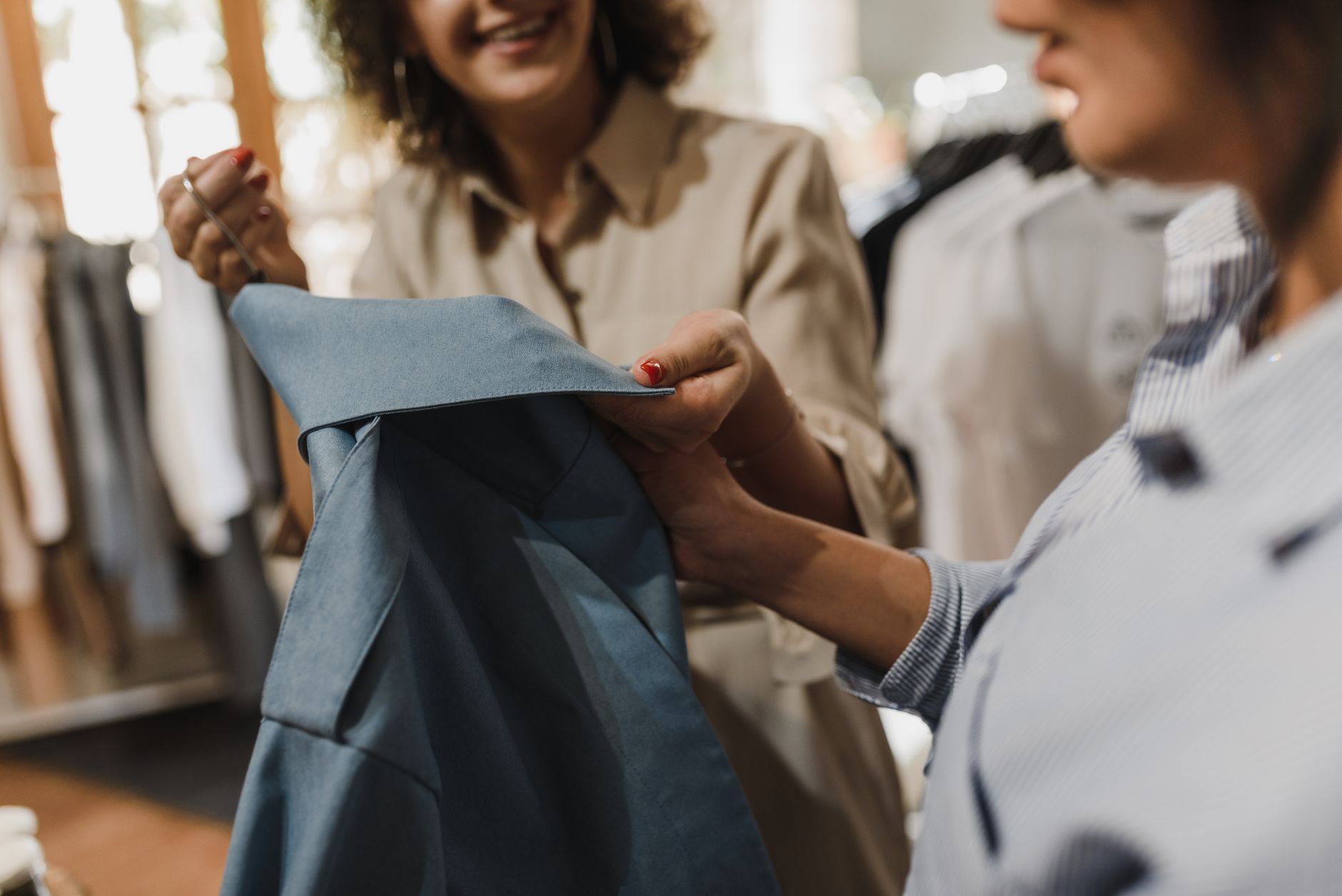
When it comes to building a cohesive brand identity, business apparel for women is one of the most powerful — and often underestimated — tools in a company’s marketing arsenal. Whether you’re outfitting a corporate team across multiple Sydney offices, sourcing branded uniforms for a Brisbane retail chain, or helping a client find the perfect embroidered polo for their Perth-based healthcare clinic, getting women’s business apparel right takes more than just picking a style and slapping on a logo. It requires understanding garment fit, decoration method suitability, fabric quality, MOQs, and — critically — how the final product will make the wearer feel. Because when employees feel confident and professional in their branded workwear, that confidence translates directly into how they represent your organisation.
Why Business Apparel for Women Deserves Its Own Conversation
For too long, women’s corporate workwear was treated as an afterthought — essentially a smaller version of whatever the men’s range offered. In 2026, that approach simply doesn’t cut it. Modern businesses, marketing agencies, and resellers sourcing promotional apparel need to understand that women’s workwear has its own unique requirements: different cuts, different fabric weights, different collar styles, and different expectations around professionalism and comfort.
When a Melbourne council is dressing its community engagement team, or a Gold Coast real estate agency is kitting out its sales consultants, the women on those teams deserve apparel that fits them properly — not garments cut for a male silhouette that happen to come in smaller sizes. This distinction matters enormously for both wearer satisfaction and brand perception.
From a reseller’s perspective, understanding this distinction is a genuine competitive advantage. Clients who feel heard — who are offered thoughtful, gender-appropriate options — become loyal, repeat customers. And if you’re a marketing agency managing branded merchandise for a corporate client, recommending well-fitted women’s business apparel is the kind of detail that elevates your value from order-taker to strategic partner.
It’s also worth noting that promotional clothing consistently delivers strong ROI compared to many other marketing channels. If you’re curious about the broader picture, our breakdown of the ROI of promotional products vs other marketing channels offers some compelling data to share with clients.
Key Garment Types in Women’s Business Apparel
Polo Shirts
Polo shirts are one of the most versatile pieces in any corporate uniform range. For women, the key distinction is a fitted or semi-fitted silhouette — rather than the boxy, unisex cut that plagues many lower-cost options. Look for styles with a feminine collar, narrower shoulder seams, and a slightly tapered waist.
Fabric matters here, too. A 65/35 polyester-cotton blend performs well in active work environments like warehouses or outdoor events, while a piqué cotton blend works beautifully for client-facing roles in retail or professional services. Sublimated polo shirts are an excellent option when colour accuracy and all-over design are priorities — our guide on sublimated polo shirts explains when this decoration method makes the most sense.
Corporate Jackets and Outerwear
For client-facing roles, professional services, or event staffing, a well-cut branded jacket can elevate the entire uniform. Softshell jackets, fleece midlayers, and tailored blazer-style corporate jackets all work beautifully with embroidery on the chest or sleeve. Suppliers offering varsity-style options are worth exploring too — check out what’s possible with varsity team jackets for inspiration on structured outerwear.
T-Shirts and Casual Business Wear
Not every workplace calls for formal attire. In creative industries, tech companies, and start-up culture, a well-designed branded women’s tee strikes exactly the right tone. The keys here are fabric quality (ringspun cotton feels premium), a fitted or relaxed fit (give clients both options), and decoration placement that suits the garment’s proportions.
Hi-Vis and Workwear Specific to Women
In industries like construction, logistics, and mining, women have historically had to wear ill-fitting hi-vis gear designed for male bodies. This is a genuine safety and compliance issue — loose-fitting garments can be hazardous. A growing number of Australian suppliers now stock women’s-specific hi-vis and safety workwear in compliant styles. If you’re sourcing for clients in these sectors, it’s worth reading up on promotional safety signs for construction companies in Australia to understand the broader safety context for these industries.
Decoration Methods for Women’s Business Apparel
Choosing the right decoration method is just as important as choosing the right garment. Here’s a quick breakdown of what works best for women’s corporate clothing:
Embroidery
Embroidery is the gold standard for corporate and professional environments. It adds a tactile, premium quality to polos, jackets, and caps — particularly effective on structured fabrics. Chest logos, sleeve branding, and name embroidery are all common applications. Embroidery is durable, wash-resistant, and conveys professionalism. Standard MOQs typically start at 12–24 pieces for embroidered apparel, depending on the supplier.
Screen Printing
Screen printing delivers bold, cost-effective results for larger runs of t-shirts, team shirts, and casual apparel. It’s ideal for runs of 50+ pieces where cost per unit matters. If colour accuracy is a concern for your client, understanding PMS matching in the printing process is essential — our sublimation printing colour accuracy tips for designers is a great resource for getting brand colours right across decoration methods.
Heat Transfer and Digital Printing
For smaller runs or complex, photographic designs, heat transfer and digital printing offer flexibility. These methods work particularly well on stretchy or technical fabrics where embroidery might distort the weave.
Sublimation
For all-over prints, vibrant custom designs, or sportswear-inspired corporate pieces, sublimation printing is unmatched. Keep in mind that sublimation works only on white or very light polyester-based fabrics — something to clarify with clients upfront to avoid disappointment.
Practical Considerations When Ordering Women’s Business Apparel
Sizing and Fit Inclusivity
One of the most common sourcing mistakes is ordering a limited size range. Women’s corporate apparel should span from XS through to 3XL at minimum. Some suppliers offer extended sizing up to 5XL, and this is worth specifically requesting when briefing. Clients representing diverse workforces — particularly government departments, healthcare organisations, and universities — will appreciate this consideration.
Always request a size chart before confirming an order, and encourage clients to order a pre-production sample for fit review, especially for larger orders.
Colour Selection and Brand Matching
Brand colour matching can be tricky with apparel, as fabric absorbs dye differently to paper or digital screens. Work with your supplier to specify PMS colours where possible, and set realistic expectations with clients about achievable colour ranges. For our broader take on embossing and premium decoration finishes that complement apparel in corporate gift sets, have a read of our quality guide to embossing for promotional products.
Minimum Order Quantities and Lead Times
For branded women’s business apparel in Australia, typical MOQs sit at:
- Screen printed tees: 12–50 pieces minimum depending on colour count
- Embroidered polos or jackets: 12–24 pieces
- Sublimated garments: 12–25 pieces
Standard turnaround times run 10–15 business days from artwork approval, though rush orders can often be accommodated for an additional fee. If you’re sourcing across multiple Australian states simultaneously — say, uniforms for an Adelaide head office and a Darwin distribution centre — factor in freight times accordingly. Our guide on wholesale promotional products in Darwin is worth bookmarking for remote territory logistics.
Sustainable Options in Women’s Corporate Apparel
Eco-conscious clients are increasingly requesting sustainable fabric options — organic cotton, recycled PET fabrics, and responsibly sourced materials. This isn’t a niche request anymore; it’s becoming a baseline expectation, particularly for government and not-for-profit clients. Our resources on recycled PET promotional products in Australia and recycled promotional items for environmental organisations offer excellent context for these conversations.
Bundling Apparel with Complementary Branded Products
Savvy resellers and marketing agencies know that a women’s corporate apparel order rarely stands alone. Think about what naturally accompanies a uniform rollout:
- Branded bags: A tote or structured work bag pairs perfectly with a polished uniform. Browse ideas in our reusable green shopping bags guide for eco-friendly options.
- Branded drinkware: A keep cup or insulated bottle rounds out a welcome kit beautifully. Even branded wine cooling bags can make a memorable addition to end-of-year gift sets.
- Custom caps: A branded cap or bucket hat completes an outdoor or events uniform — our guide to top-rated custom caps in Melbourne is a great starting point.
- Staff Christmas gifts: If a corporate client is already ordering uniforms, introducing them to curated staff Christmas gift ideas that complement their brand palette is a natural upsell.
Bundling also makes strong commercial sense. Larger, combined orders often unlock better pricing tiers and can justify waiving or reducing setup fees — a compelling argument to put to any client who might be considering splitting orders.
Finding the Right Supplier for Women’s Business Apparel
Not all promotional apparel suppliers carry quality women’s-specific ranges. When evaluating suppliers, look for:
- Dedicated women’s styles (not just unisex garments listed as “also available in women’s sizes”)
- Extended sizing ranges
- Clear size charts with measurements in centimetres
- Garment samples available for approval
- Multiple decoration method options
- Australian-based account managers who understand local compliance requirements (particularly for hi-vis and workwear categories)
Industry trends are also shifting in interesting ways — if you want to understand where the broader promotional products market is heading, our analysis of promotional products market trends provides useful context for positioning your apparel offering.
Conclusion: Getting Women’s Business Apparel Right
Sourcing business apparel for women well is both an art and a science. It requires attention to garment cut and fit, smart decoration method selection, inclusive sizing, and an understanding of your client’s industry and brand standards. When all those elements come together, the result is workwear that employees are proud to wear — and that’s one of the most powerful brand statements any organisation can make.
Here are the key takeaways to carry forward:
- Fit is non-negotiable: Women’s business apparel must be designed for women — not adapted from unisex cuts. Proper fit directly impacts wearer confidence and brand perception.
- Choose decoration methods strategically: Embroidery for premium professional pieces; screen printing for volume runs; sublimation for vibrant, all-over designs.
- Always offer extended sizing: Inclusive size ranges (XS–3XL minimum) reflect well on both the supplier and the client organisation.
- Think sustainability: Eco-friendly fabric options are increasingly expected, especially by government and corporate clients with ESG commitments.
- Bundle for better value: Pairing apparel orders with complementary branded products creates better client outcomes and stronger commercial results for resellers and agencies.