
Branded Journals Australia: The Complete Guide for Businesses and Resellers
Discover how to source high-quality branded journals in Australia — covering suppliers, decoration methods, MOQs, and smart buying tips.

Written by
Amira Walsh
Stationery & Office
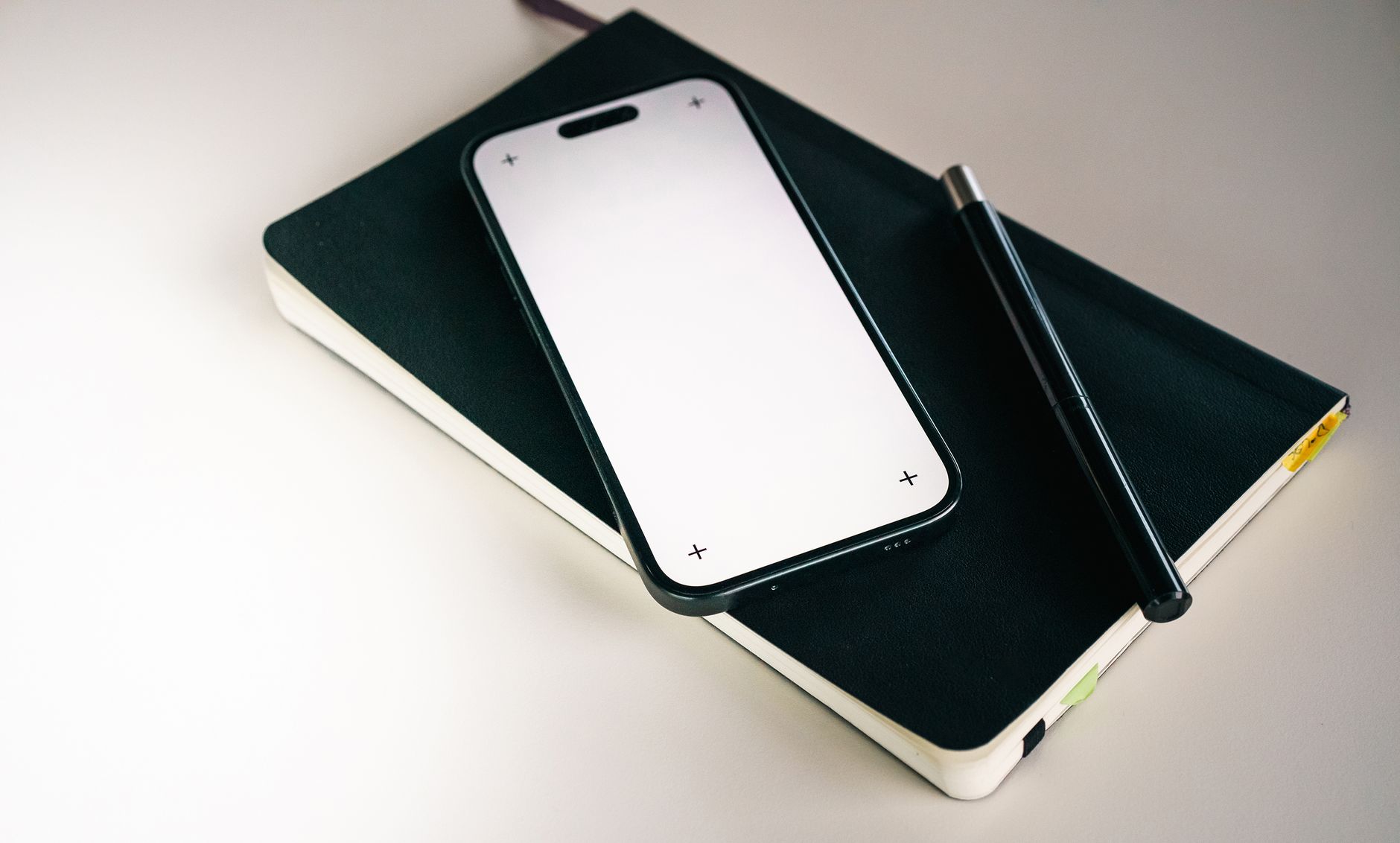
Branded journals are one of those promotional products that consistently punch above their weight. Unlike a branded pen that gets lost in a drawer or a tote bag that competes with a dozen others, a quality custom journal stays on desks, travels in bags, and gets used daily — all while keeping your client’s logo in front of its recipient. For Australian businesses, marketing agencies, and resellers looking to add real value to their promotional product offering, understanding the branded journals market is well worth the investment of time. This guide covers everything you need to know: from product types and decoration methods through to MOQs, budgeting, and what to look for when selecting a supplier.
Why Branded Journals Remain a Staple in Promotional Stationery
In an era of digital everything, the humble notebook has made a remarkable comeback. Research continues to show that handwriting improves information retention, and knowledge workers, creatives, and students alike have rediscovered analogue note-taking as a way to cut through screen fatigue. That cultural shift has been a genuine boon for the branded journals market in Australia.
From corporate welcome packs in Sydney CBD offices to orientation kits at Melbourne universities, branded journals signal quality and thoughtfulness. They’re a physical object that recipients often keep for months or years. That longevity is a key factor when you’re thinking about the ROI of promotional products versus other marketing channels — a well-chosen journal delivers repeated brand impressions every single day.
For resellers and marketing agencies specifically, journals occupy an appealing middle tier in the promotional stationery category. They’re not the cheapest item in the range, but they’re far from the most expensive, which means they fit a wide variety of client budgets and campaign briefs.
Types of Branded Journals Available in Australia
Before approaching a supplier, it helps to understand the main product types on the market. Not all journals are created equal, and matching the right product to your client’s brief is half the job done.
Hardcover Journals
The classic choice. Hardcover journals with a rigid board or faux-leather cover are the most popular format for corporate branded merchandise. They look professional, hold their shape, and provide an excellent surface for embossing, debossing, or foil stamping. Common sizes are A5 and A4, though B5 is gaining traction for desk use.
Softcover Journals
Softcover (or flexi-cover) journals are lighter and more flexible, making them a popular choice for conference bags and event giveaways where weight matters. They typically cost less than hardcovers, which is useful when ordering for large-scale events across Brisbane or Perth where budgets are spread thinly.
Spiral-Bound Notebooks
Spiral-bound formats are favoured in educational settings and by tradies who need pages to lie flat. A Queensland secondary school sourcing branded stationery for a year-level camp, for example, might opt for spiral-bound notebooks because they’re practical and easy to use on uneven surfaces.
Eco-Friendly and Recycled Journals
This is one of the fastest-growing subcategories. Stone paper journals, journals made from recycled materials, bamboo-covered notebooks, and products made using recycled PET materials are increasingly in demand — particularly from government departments, councils, and organisations with sustainability commitments. If your clients are in the environmental sector, this is worth exploring alongside other recycled promotional items for environmental organisations.
Planner and Diary Formats
Some suppliers offer custom-branded planner journals with pre-printed date pages, goal-setting spreads, and weekly layouts. These are popular as end-of-year corporate gifts and are often ordered in Q3 ahead of the new calendar year. Speaking of which, if you’re sourcing end-of-year merchandise, it’s worth reading through staff Christmas gift ideas for inspiration on how journals fit into a broader gifting strategy.
Decoration Methods for Branded Journals in Australia
Choosing the right decoration method is critical to the final result. The cover material largely dictates your options.
Debossing and Embossing
Debossing (pressing the logo into the cover) and embossing (raising it) are the premium choices for faux-leather, genuine leather, and some textured hardcovers. They create a tactile, sophisticated finish with no ink involved, which means no fading over time. For high-end corporate clients, this is often the preferred approach. Our quality guide to embossing for promotional products goes into detail on what to expect from this process, including setup fees and artwork requirements.
Foil Stamping
Similar in process to debossing, foil stamping adds a metallic finish — gold, silver, rose gold, and custom colours are all possible. It pairs beautifully with dark covers and is popular for premium gifting occasions, awards nights, and executive journals.
Screen Printing
Screen printing works well on smooth or matte covers and is a cost-effective choice for larger runs where a full-colour or spot-colour logo needs to be applied. It’s fast, durable, and suited to orders where volume matters more than texture.
Digital Printing
For photographic artwork or complex multi-colour designs, digital printing offers flexibility that screen printing can’t match. It’s worth noting that colour accuracy on digital print jobs requires careful management — the principles covered in this sublimation printing colour accuracy guide for designers apply broadly to digital decoration work as well.
Laser Engraving
On bamboo or wooden-covered journals, laser engraving produces a clean, natural finish that aligns perfectly with eco-conscious branding. If your client is promoting sustainability credentials, a laser-engraved bamboo journal alongside wheat straw branded phone accessories makes a cohesive and on-message gift set.
MOQs, Pricing, and Lead Times: What to Expect
Understanding the practical realities of ordering branded journals in Australia will save you from expensive surprises.
Minimum Order Quantities (MOQs): Most Australian suppliers set MOQs for branded journals at between 25 and 100 units, depending on the product and decoration method. Premium debossed hardcovers often require a minimum of 50 units to justify tooling costs. Eco-friendly and specialty products can have higher MOQs of 100–200 units.
Pricing Tiers: Expect to pay anywhere from $8–$15 per unit for a standard branded softcover journal at moderate quantities, rising to $20–$40+ for premium hardcover or genuine leather options. Eco-certified products sit in the mid-to-upper range. Bulk discounts typically kick in at the 100, 250, and 500-unit marks.
Setup Fees: Debossing and embossing require die creation, which incurs a one-off setup fee — typically $50–$120 depending on the die size. Screen printing and digital printing have lower or no setup fees in many cases.
Turnaround Times: Standard production and delivery for branded journals in Australia runs 10–15 business days once artwork is approved. Rush orders (5–7 business days) are available from some suppliers but come at a premium. Always factor in proof approval time, especially if you’re working with a client in Darwin or Hobart where freight adds a day or two.
For resellers managing multiple client orders simultaneously, staying across turnaround expectations is essential. It’s the same discipline required when coordinating wholesale promotional products in Darwin or managing conference merchandise across multiple cities.
Choosing the Right Branded Journal for Your Client
Matching the product to the client’s needs and audience is where experienced resellers and marketing agencies earn their margin.
- Corporate onboarding packs: Go for A5 hardcover with debossed logo and elastic strap closure. Pair with a branded pen. A Canberra government department rolling out a new employee kit, for instance, would look very polished with this combination.
- Conference and event giveaways: Choose softcover A5 or B5 with screen-printed cover. Keep it light. Think about what else is going in the bag — promotional snack packs for event registration desks and branded stationery are perennial conference staples.
- School and education: Spiral-bound or softcover works well. Consider branded promotional sticky notes as an add-on for school-based orders.
- Sustainability-focused clients: Stone paper, bamboo-covered, or recycled journals. Pair with other eco products like reusable green shopping bags for a cohesive campaign.
- Premium gifting: Leather or faux-leather hardcover with foil stamp or debossed logo. Could sit alongside wine cooling bags or quality drinkware in a luxury gift set.
Working With Suppliers: What Resellers Should Look For
Not all suppliers are equal, and for resellers especially, the supplier relationship matters as much as the product itself.
Look for suppliers who offer a dedicated account manager, clear artwork templates, pre-production samples (even at cost), and transparent stock availability. Turnaround time reliability is non-negotiable — a supplier who consistently delivers on time protects your reputation with your own clients.
Check whether the supplier maintains local stock in Australia for blanks, which dramatically reduces lead times. Imported-to-order products can stretch timelines by three to four weeks, which creates risk around event or campaign deadlines.
It’s also worth staying informed about promotional product market trends to understand where buyer demand is heading. Eco-journals and premium hardcovers are both trending upward, which gives you commercial intelligence to share with clients when recommending products.
Conclusion: Key Takeaways for Sourcing Branded Journals in Australia
Branded journals represent one of the most enduring and versatile items in the promotional product toolkit. Done well, they deliver lasting brand exposure, genuine utility, and a quality perception that cheaper merchandise simply can’t achieve. Whether you’re a reseller building out your stationery range, a marketing agency designing a client’s conference pack, or a business investing in quality staff gifts, here’s what to carry forward from this guide:
- Match product type to audience: Hardcovers for corporate, spiral-bound for education, eco-materials for sustainability-focused clients.
- Choose your decoration method carefully: Debossing and embossing offer premium finishes; screen printing suits volume; laser engraving is ideal for natural materials.
- Understand the true cost: Factor in setup fees, decoration costs, and freight — not just the unit price — when presenting quotes.
- Plan lead times realistically: Allow 10–15 business days minimum from artwork approval, and build buffer time for interstate deliveries.
- Vet your suppliers thoroughly: Reliability, local stock, and good account management are as important as price when you’re managing client relationships.
Branded journals in Australia are a category worth knowing inside and out — the more you understand the product, the better positioned you are to win business and deliver genuinely impressive results for the organisations you work with.